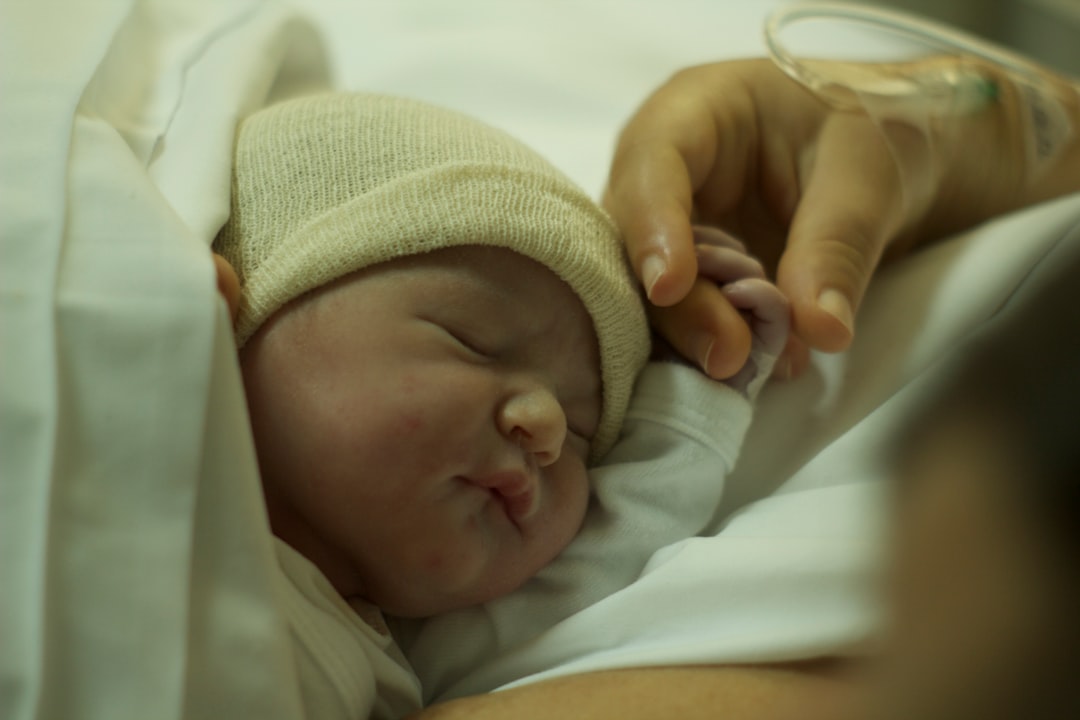
A federal vaccine committee recently voted to end a long-standing recommendation: that all U.S. babies get the hepatitis B vaccine on their birth day. This decision has sparked a major debate among health experts across the nation.
For decades, getting the hepatitis B shot right after birth has been standard practice, widely credited with preventing thousands of severe liver illnesses in children. However, a newly appointed committee, chosen by U.S. Health Secretary Robert F. Kennedy Jr., has now voted to change this. Their new recommendation suggests the birth dose only for babies whose mothers test positive for hepatitis B, or if the mother wasn’t tested. For other newborns, the decision would be left to parents and their doctors, with an option to start the vaccine series at two months old.
This move marks a return to a health strategy abandoned over thirty years ago and has been met with strong criticism from medical and public health leaders. Experts, including those from medical societies, have called the decision a “mistake” that could “make America sicker,” pledging to continue recommending the birth dose.
The committee members cited concerns about a low infection risk for most babies, perceived inadequate past safety research, and a lack of detailed conversations with parents. Yet, opposing experts argue that quick immunization is crucial, and there’s no documented harm from the birth dose. They fear this change could lead to a resurgence of a serious liver infection, which can cause long-term problems, especially for infants.
The acting director of the CDC is now expected to decide whether to accept this controversial recommendation, putting the future of this vaccine policy in focus.