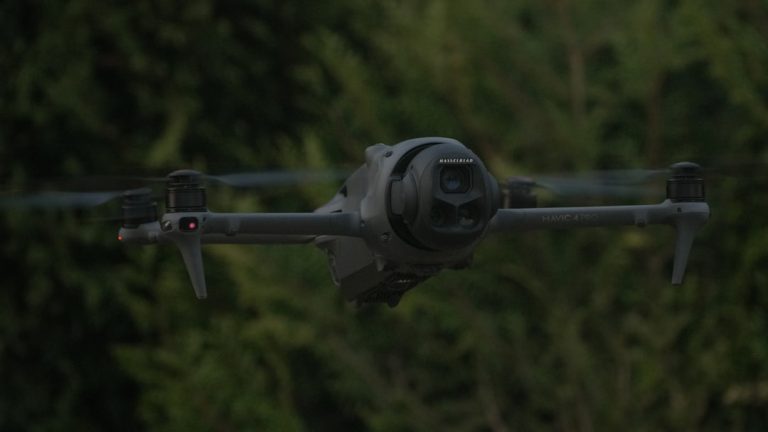
Small drones are everywhere, from battlefields to our own skies, posing a growing threat that the military needs to counter effectively. For years, the Pentagon struggled with a messy, uncoordinated approach to defending against these tiny aerial threats. But now, a powerful new sheriff is in town: the Joint Interagency Task Force 401 (JIATF-401).
Thanks to the latest defense policy bill, JIATF-401 has been given unprecedented authority. Imagine a central gatekeeper for all small-drone defense systems across the armed forces. That’s essentially what this task force is. They can now set the technical standards, run rigorous field tests, and here’s the kicker – if a system doesn’t measure up, they can outright forbid any military branch from buying it!
Colonel Jonathan “Hammer” Beha of JIATF-401 didn’t mince words, stating, “We won’t let a service procure something that doesn’t perform, and if they want to, JIATF-401 gets to say no.” This is a huge shift. Previously, an office called the JCO lacked the “teeth” to enforce such discipline. Now, though there’s a strict, politically painful override process, the new task force’s veto power is effectively ironclad.
This isn’t just about saying “no,” though. JIATF-401 is moving fast to standardize how counter-drone systems are tested, making sure everyone is comparing apples to apples to find the best solutions. They’re also acting as a central hub for data and will even explore new technologies to fill defense gaps. Their main goal? To quickly deliver effective solutions to current problems and ensure our forces have the absolute best protection against the ever-evolving drone threat.
This powerful new oversight promises to streamline spending, improve defensive capabilities, and bring much-needed clarity to the complex world of counter-drone technology.