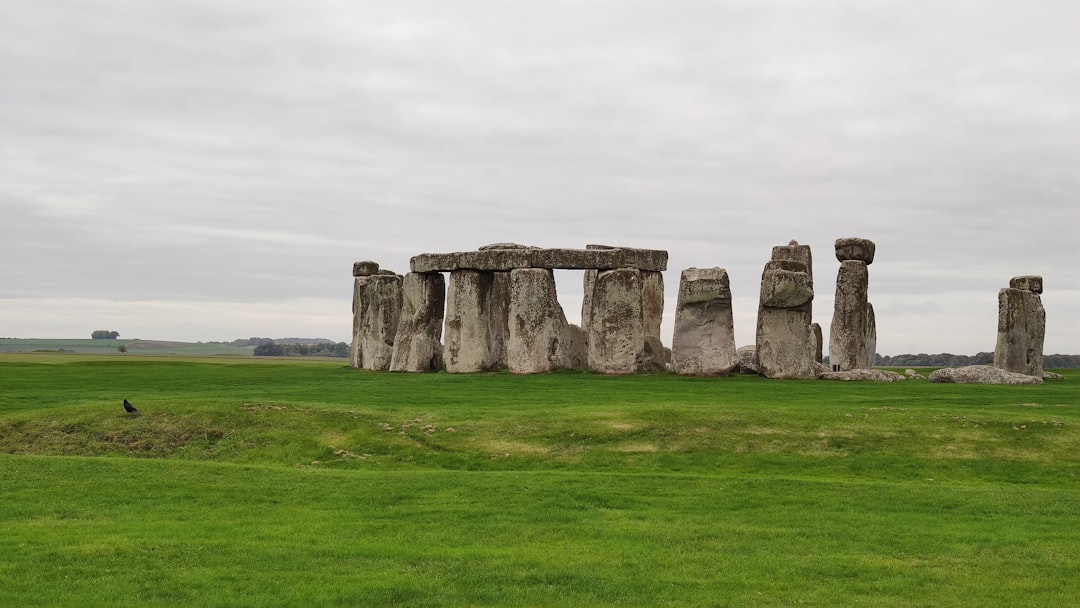
Imagine standing amidst colossal ancient stones as the sun peeks over the horizon, marking a pivotal moment in the year. For thousands, this isn’t just a dream but an annual pilgrimage to Stonehenge, the world-famous prehistoric monument in Wiltshire, England. Twice a year, this mysterious site becomes a vibrant hub of celebration, drawing crowds from across the globe to honor the sun’s journey.
The winter solstice, marking the shortest day, sees thousands gather before dawn. As the first rays of sunlight pierce the crisp morning air, cheers erupt. It’s a truly magical spectacle, filled with spiritual rituals, joyous singing, energetic dancing, and captivating music. People brave the chill, traveling far and wide, eager to witness this powerful moment and connect with an ancient tradition. It’s a powerful reminder of nature’s cycles and humanity’s enduring connection to the cosmos.
Similarly, the summer solstice brings an equally massive crowd to witness the longest day. Here, the atmosphere is often even more festive, with a sense of vibrant celebration as people welcome the peak of summer light. While the exact purpose behind Stonehenge’s construction between 3000 B.C. and 1600 B.C. remains a captivating mystery, its alignment with these solstices is undeniable. Whether it was an astronomical calendar, a sacred temple, or something else entirely, its power to unite people in celebration continues millennia later.
From pagan worshippers to curious tourists, Stonehenge holds a unique allure. These solstice gatherings aren’t just events; they are living testaments to humanity’s timeless fascination with the sun, the seasons, and the awe-inspiring wonders left by our ancestors. It’s a chance to step back in time and feel the pulse of history beneath your feet.