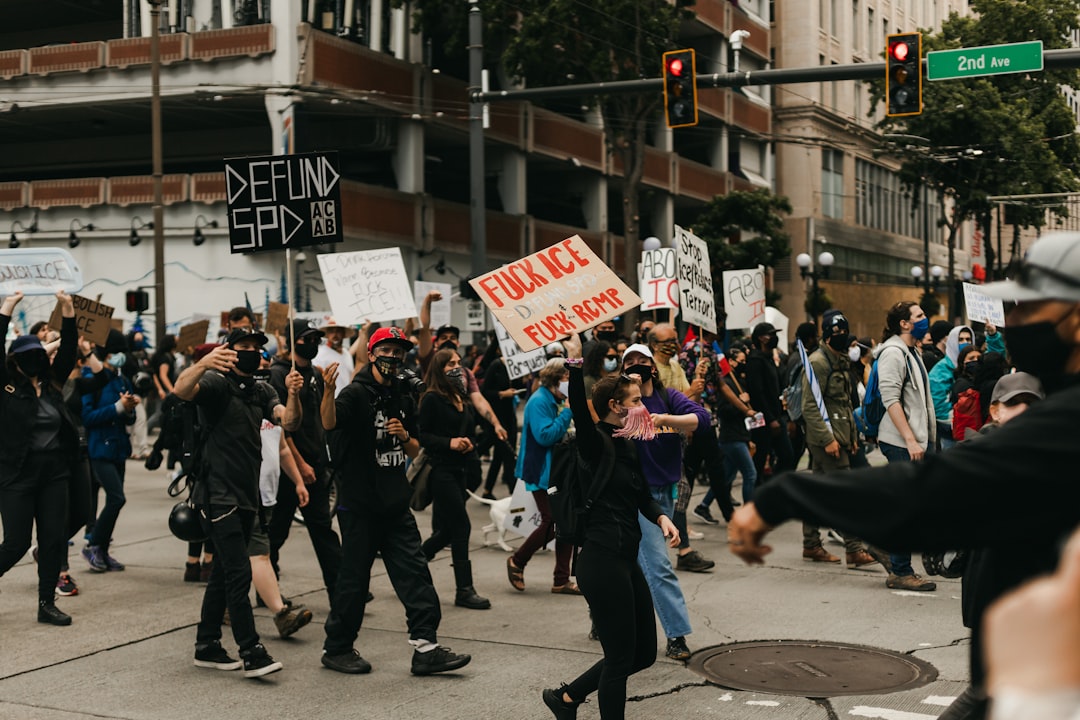
Iran is once again facing a wave of intense protests, but this time the driving force is its struggling economy. What began as demonstrations against soaring inflation and a dramatically devalued currency has tragically escalated, with at least six people reported killed, including both protesters and security forces, across several rural provinces.
The core of the unrest stems from the everyday struggles of Iranian citizens. With the national currency, the rial, plummeting in value and the cost of living skyrocketing, many are voicing deep frustrations over “livelihood concerns.” While initial protests in the capital, Tehran, have reportedly slowed, the anger has spread rapidly to smaller cities like Azna, Lordegan, and Kouhdasht, particularly in regions predominantly home to the Lur ethnic group.
Online videos from these areas paint a grim picture: objects ablaze in the streets, the sound of gunfire, and shouts of “Shameless!” The fatalities, occurring over two days, highlight the growing tension. Among those killed was a 21-year-old volunteer from the paramilitary Basij force, with another 13 Basij members and police officers sustaining injuries.
Authorities have responded with arrests, and state media even claimed the detention of “monarchists” and European-linked groups. Yet, even officials acknowledge the protests are “due to economic pressures.” This current wave marks the biggest demonstrations since the 2022 protests over Mahsa Amini’s death. The country’s leaders also appear to be reeling from recent conflicts, including a reported 12-day war with Israel in June where U.S. forces allegedly bombed Iranian nuclear sites. These combined pressures underscore the depth of the crisis and the precarious position of the government.