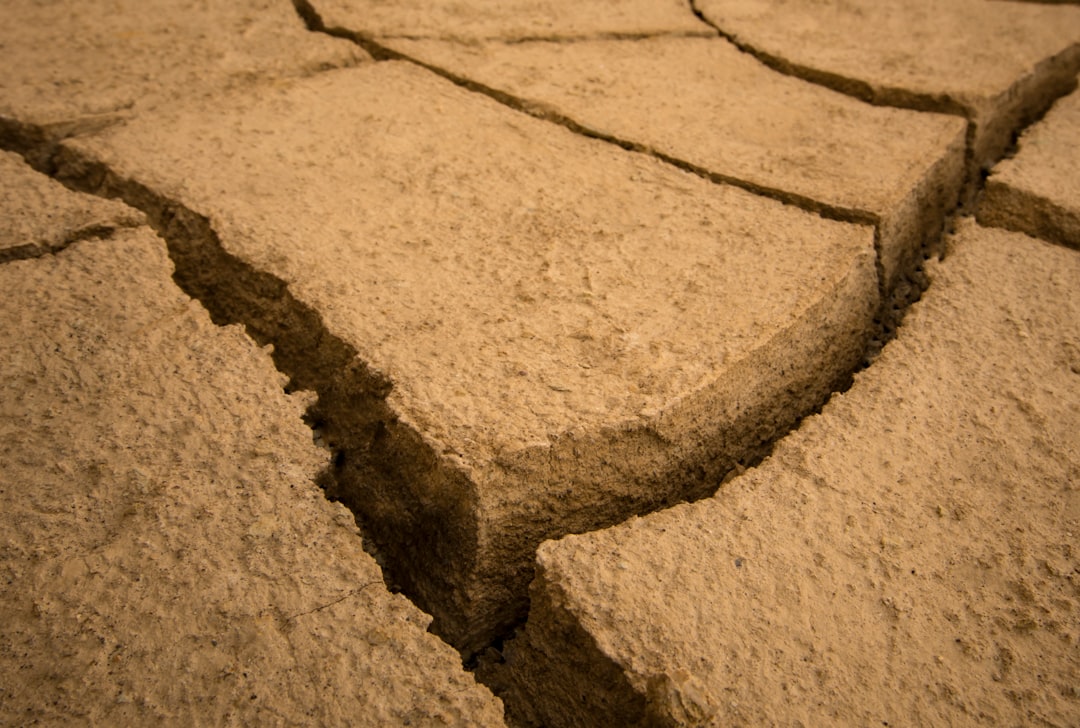
Japan, a nation renowned for its resilience and preparedness in the face of natural phenomena, recently experienced a significant seismic event. The western Chugoku region was struck by an earthquake measuring a preliminary magnitude of 6.2, as reported by the Japan Meteorological Agency (JMA). This powerful tremor served as a stark reminder of the dynamic forces beneath our feet.
For those unfamiliar with earthquake magnitudes, a 6.2 is considered a strong earthquake. It’s capable of causing considerable damage, especially to older or poorly constructed buildings, and widespread moderate damage in more robust structures. While the immediate focus is always on safety and assessing the impact, the sheer force of such an event can be deeply unsettling for residents.
What often follows a major quake, and did so in this instance, is a series of “sizeable aftershocks.” These subsequent tremors occur as the earth’s crust continues to adjust and settle after the initial major rupture. Aftershocks, though usually weaker than the main shock, can still be powerful enough to cause further damage to already weakened structures and keep populations on edge, fearing another large event. They underscore the importance of ongoing vigilance and emergency readiness.
The Chugoku region, like much of Japan, is no stranger to seismic activity. The country sits on the “Ring of Fire,” a horseshoe-shaped belt of volcanoes and seismic fault lines encircling the Pacific Ocean, making it one of the most tectonically active areas in the world. This geographical reality has led Japan to develop some of the most advanced earthquake early warning systems and building codes globally, designed to mitigate potential devastation.
As authorities continue to monitor the situation and provide updates, the event serves as a critical reminder of nature’s power and the continuous need for both individual and community preparedness. Staying informed through official channels like the JMA is paramount during such times.