Minneapolis is reeling from the fatal shooting of 37-year-old Renee Nicole Good by a U.S. Immigration and Customs Enforcement (ICE) agent. The January 7 incident has ignited widespread protests and a heated national debate.
Ms. Good, a U.S. citizen and poet, was shot in the head as she reportedly tried to drive away from agents approaching her car. Disturbing footage shows an agent firing multiple times into her SUV, which then crashed, leaving her slumped at the wheel as onlookers watched in horror. Officials confirm Ms. Good was not an immigration target, only suspected of blocking traffic. She leaves behind a wife and a six-year-old child; her community has rallied, raising over $800,000 for her family.
The White House and Vice-President JD Vance quickly defended the agent, claiming law enforcement was under “organized attack” and the officer acted in “self-defense,” linking Ms. Good to a “left-wing network” opposing ICE. However, local leaders and Governor Walz strongly dispute these claims, with Walz calling for state participation in the investigation, fearing a biased federal probe.
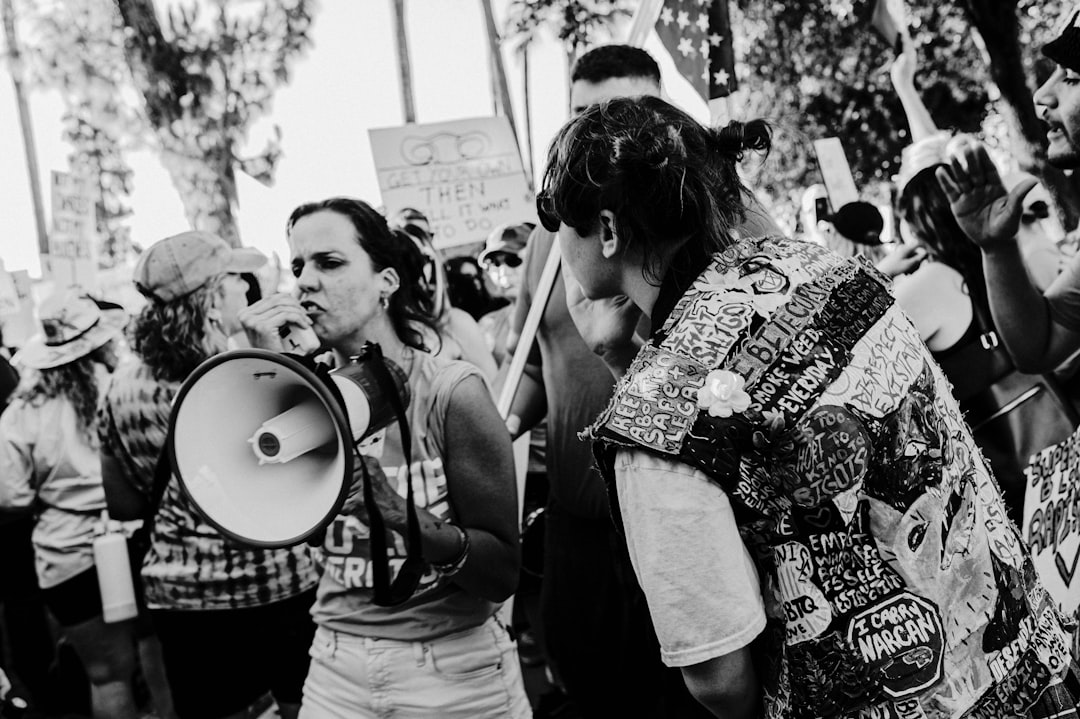
As Minneapolis schools closed amidst planned unrest, protestors took to the streets, chanting against ICE and clashing with officers. A growing memorial of flowers and candles marks the site where Renee Good lost her life, bearing messages like “Hate does not make us great.” This tragedy has amplified fears among citizens, highlighting deep tensions surrounding immigration enforcement.