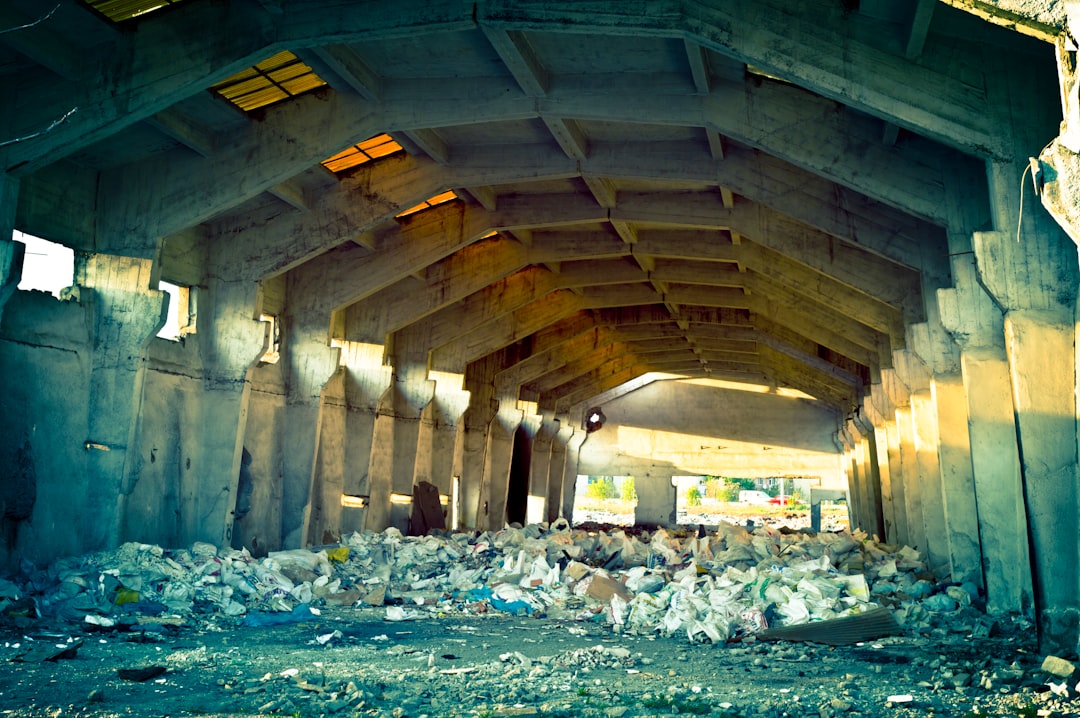
Days after a towering mountain of trash collapsed in Cebu, Philippines, the hope of finding survivors has tragically faded. Rescue workers are painstakingly sifting through an estimated 20 storeys worth of debris at the Binaliw Landfill, where around 50 sanitation workers were suddenly buried on Thursday. The confirmed death toll has climbed to seven, with at least 29 people still missing as the crucial 72-hour window for survival has sadly closed.
Initial radar detections of heartbeats deep within the rubble offered a fleeting glimmer of hope, but those signs have since disappeared. Local fire officials now deem it “unlikely” for anyone to have survived the immense weight and time under the collapsed refuse. The focus of operations is expected to heartbreakingly shift from active rescue to the recovery of bodies.
Outside the disaster site, dozens of distraught family members huddle, their agony palpable as they cling to any scrap of information. “We just want to find them. Alive or dead – so we can properly take care of them,” shared Jezille Matabid, whose brother is among the missing. Rescuers themselves face grave danger from the constantly shifting mountain, with persistent rains only worsening the risk of further collapses.
This tragedy, however, wasn’t entirely unforeseen. City council members had previously warned that the landfill, likened to a “sponge” absorbing water, posed an obvious and growing danger. For Cebu, this disaster is a “double whammy,” as the facility was the sole waste service provider for the bustling city. The human cost is immeasurable, leaving a community grappling with profound loss and urgent questions about preventable tragedies.