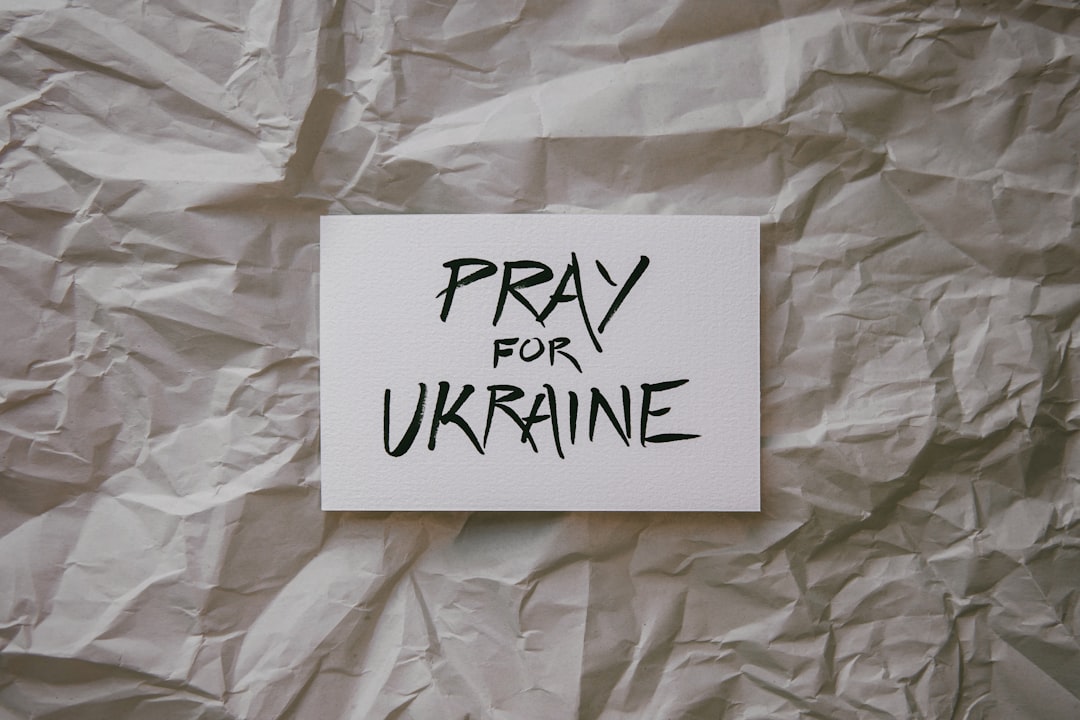
The war in Ukraine has taken a grim turn, with recent large-scale Russian attacks prompting an emergency UN Security Council meeting. Ukraine called for the urgent session after being hit by hundreds of drones and dozens of missiles, including the powerful, nuclear-capable Oreshnik ballistic missile. Used by Russia for only the second time, this missile’s launch, dangerously close to NATO-ally Poland, has been labeled a “dangerous and inexplicable escalation” by the US.
US Deputy Ambassador Tammy Bruce expressed deep concern over the “staggering number of casualties” and Russia’s intensified targeting of critical infrastructure. This surge comes as the Trump administration actively pushes for peace negotiations, hoping to secure a deal protecting Ukraine from future aggression. European leaders echoed the US, condemning the Oreshnik attack as “escalatory and unacceptable.”
Despite calls for de-escalation, Russia shows no sign of backing down. Russia’s UN Ambassador stated that military action would continue until Ukrainian President Volodymyr Zelensky agrees to “realistic conditions” for negotiations, warning that conditions would only worsen for Kyiv. He also warned of “stiff responses” to attacks on Russian civilians.
Ukraine’s UN Ambassador countered, asserting Russia’s perceived strength is an illusion, citing economic slowdown and dwindling oil revenues that suggest Moscow is more vulnerable than it appears. The diplomatic impasse deepens, with one side calling for peace and the other vowing to continue fighting. While the world watches, the path to peace remains fraught with peril, overshadowed by escalating violence.