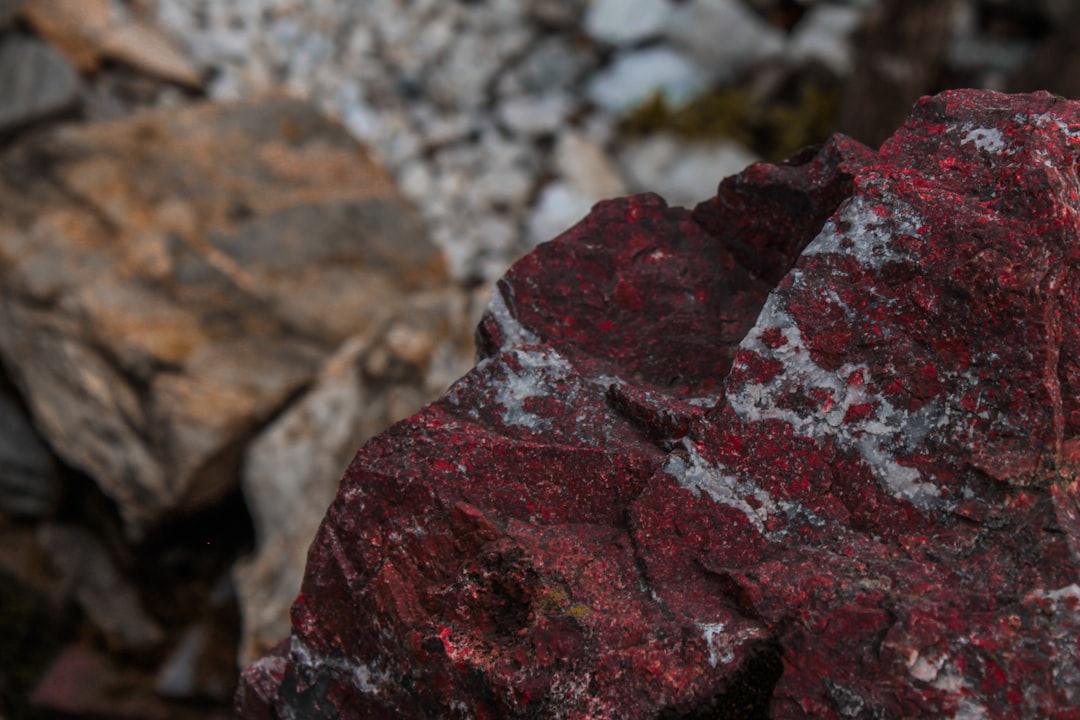
China has long held a strong grip on the world’s supply of critical minerals – think lithium, cobalt, nickel, and rare earth elements – essential for everything from smartphones to electric vehicles and advanced AI. But that dominance is now sparking a major global realignment as countries look to secure their own futures.
India is stepping onto the world stage, deepening ties with the United States and G7 nations to forge new, resilient supply chains. This week, India’s Minister for Electronics and Information Technology, Ashwini Vaishnaw, arrived in Washington DC for a crucial Critical Minerals Ministerial Meeting. Hosted by US Treasury Secretary Scott Bessent, the gathering brought together G7 finance ministers, plus India and Australia, to discuss how to reduce reliance on China.
Minister Vaishnaw emphasized the urgency, stating, “Secure critical mineral supply chains are vital for our goal of Viksit Bharat” (Developed India). This move is a strategic necessity as demand for these minerals skyrockets, fueled by the global energy transition and the booming expansion of AI-driven data centers. China currently refines an astonishing 70% of most major critical minerals globally, creating a significant vulnerability for many economies.
The US is actively expanding its network beyond traditional allies, recognizing India’s vital role. Discussions included “weaponization of supply chains,” a direct reference to China’s leverage. India is also set to join the US-led Pax Silica initiative, focusing on secure tech ahead of an upcoming AI summit in New Delhi. This collaboration marks a pivotal moment, aiming to build a more diversified and secure future for essential resources.