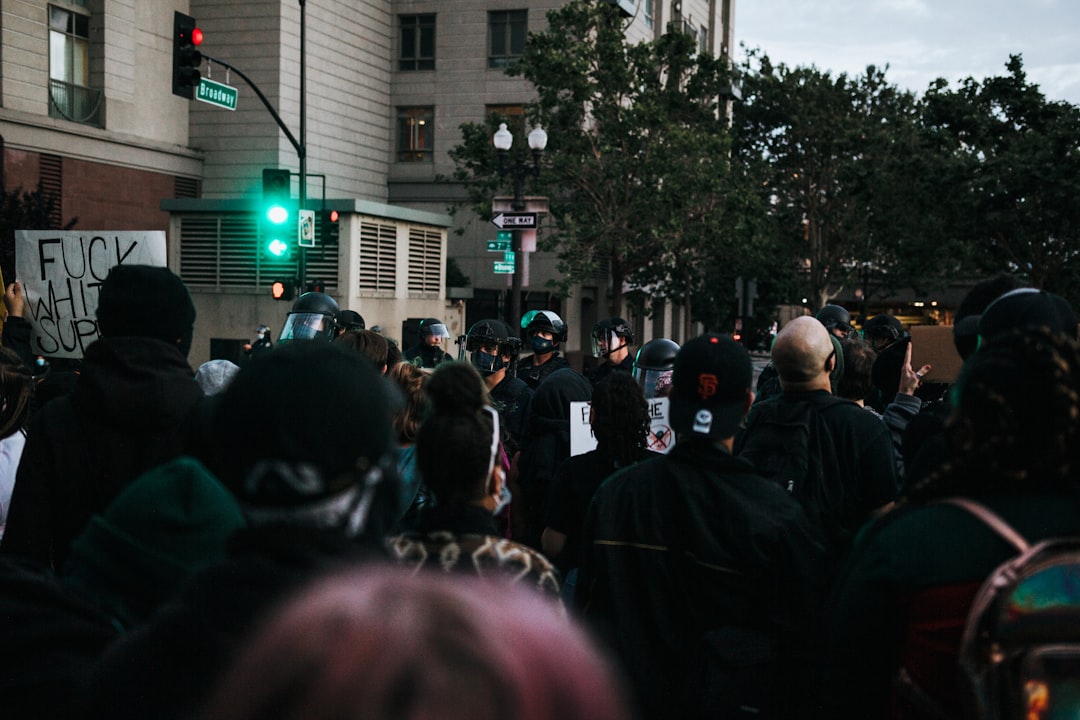
The streets of Iran are ablaze with the biggest protests since 2022, fueled by demands for justice and equality. Tragically, these demonstrations have turned deadly, with human rights groups reporting hundreds killed, including children, and thousands arrested. Amidst this escalating crisis, an alarming report suggests Iran is set to execute its first protester, Erfan Soltani, following his arrest, for “calling for freedom.”
The international community is watching closely. Former US President Donald Trump has declared “help is on its way” for the Iranian people, hinting at potential military or cyber actions. Secretary of State Marco Rubio is also exploring non-kinetic support for the protesters. Trump has met with exiled opposition leader Reza Pahlavi, signaling a potential shift in US policy. Pahlavi himself has urged Iranians to continue their movement, assuring them the world is taking action.
However, Iran’s leaders are defiant. They accuse the US and Israel of fueling the unrest, with Supreme Leader Ayatollah Ali Khamenei telling Trump to “manage his own country.” Iran’s defense minister has warned of “forceful” retaliation, including strikes on US installations and Israel, if the US intervenes.
Experts caution that military action is unlikely to dismantle the deeply entrenched Iranian regime and could even strengthen hardliners. While protests challenge the government’s legitimacy, they lack a unified leadership. Reza Pahlavi, despite international meetings, faces an uphill battle given his exile and the lack of a clear path to restoring the monarchy, which many Iranians view as another form of authoritarianism.
Meanwhile, global powers like Russia, China, and even Gulf states fear the destabilizing effects of external intervention, including potential disruptions to global oil markets and a broader geopolitical standoff. The situation remains incredibly tense, with high stakes for Iran and the world.