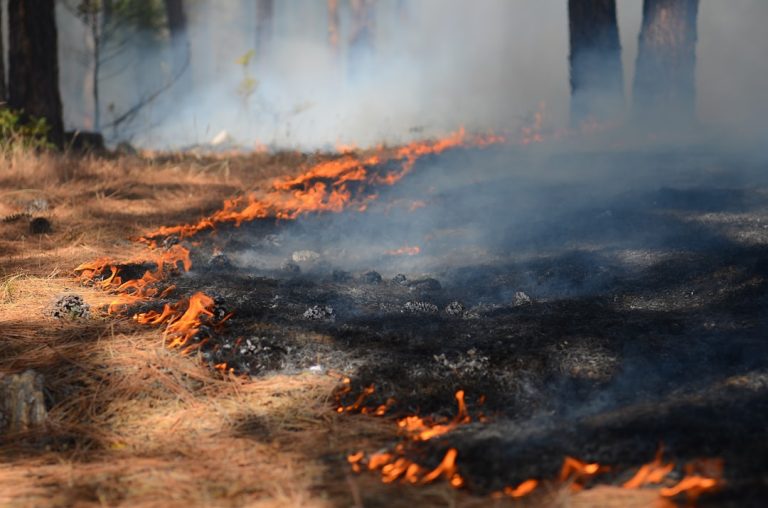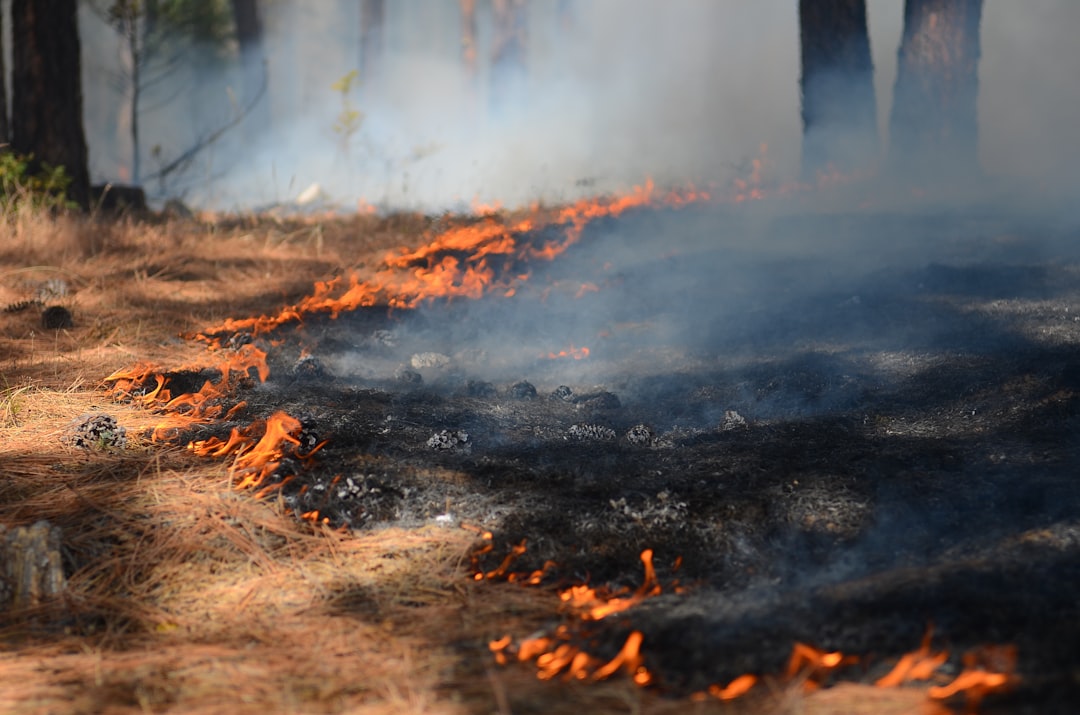
Chile is currently battling a truly heartbreaking crisis as fierce wildfires tear through its central and southern regions. Fueled by a relentless heatwave, these infernos have tragically claimed at least 18 lives, a number authorities fear will rise significantly as the full extent of the devastation comes into focus.
The scene is one of immense destruction. Thousands of acres of vital forest have been reduced to ash, and hundreds of homes have been completely destroyed – a figure expected to climb well over a thousand in the Biobio region alone. The fast-spreading flames have forced a staggering 50,000 people to evacuate, seeking safety in emergency shelters as communities like Penco are blanketed in an eerie orange smoke. Residents speak of terrifying midnight escapes, caught completely by surprise by the inferno’s speed.
Chilean President Gabriel Boric has declared a “state of catastrophe” in the hardest-hit Biobio and Ñuble regions, allowing greater military support to combat over two dozen active blazes. He extended his deepest condolences to the victims, emphasizing the profound human tragedy unfolding even as the fight against the fires remains the top priority.
Firefighters are working tirelessly, but face immense challenges from scorching temperatures exceeding 38°C (100°F) and strong, gusting winds. These extreme conditions are expected to persist, making their heroic efforts even more arduous. While wildfires are a yearly summer occurrence in Chile, often exacerbated by years of drought, the scale of this current crisis is a stark reminder of nature’s power. It follows closely on the heels of the devastating 2024 fires that killed over 130 people, highlighting a recurring and tragic pattern.
As the nation grapples with this catastrophe, the focus remains on saving lives, containing the relentless flames, and providing crucial support to the thousands whose lives have been irrevocably changed.