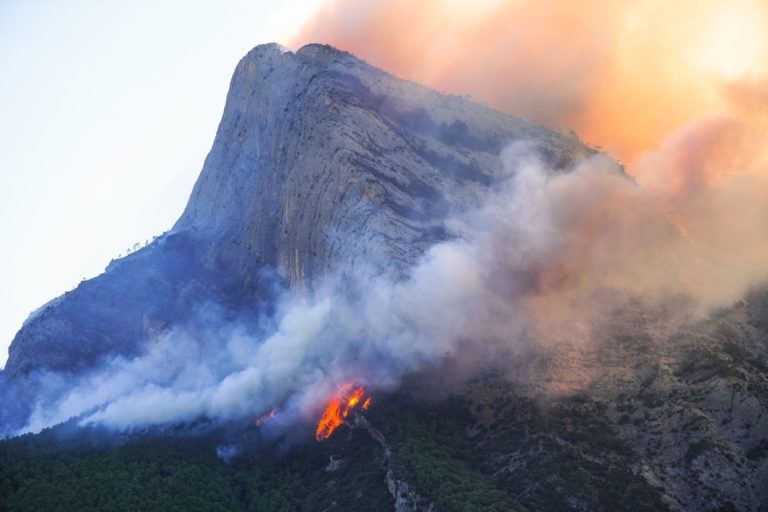
Southern Chile is currently locked in a desperate battle against devastating wildfires, a tragedy that has already claimed at least 19 lives and reduced entire towns to ash. Driven by scorching temperatures and relentless winds, these infernos have consumed vast stretches of land, an area roughly the size of the US city of Detroit, leaving behind widespread destruction.
The fires first erupted in the Nuble and Biobío regions and have since destroyed or severely damaged approximately 1,000 homes. The situation remains dire, with President Gabriel Boric acknowledging that while some blazes are contained, many remain “very active,” and new fires continue to spark, even in bordering regions. Emergency crews, including firefighters and soldiers, are deployed across declared disaster zones, navigating landscapes marked by twisted metal and the remnants of melted cars and homes.
The personal stories emerging from the heart of the disaster are gut-wrenching. Yagora Vasquez, a resident of the hard-hit port town of Lirquen, tearfully recounted fleeing her home with her son and dog as flames closed in. For Yagora, who sought safety on higher ground after the devastating 2010 tsunami, the danger this time came not from the ocean, but from the fiery embrace of the forest. Similarly, Mareli Torres, whose home was obliterated, described the experience as a “wave of fire, not water,” calling it “much worse, much more devastating” than the earthquake and tsunami she previously endured.
These catastrophic events are not new to south-central Chile, which has experienced increasingly severe wildfire seasons in recent years. Research points to climate change as a significant factor, contributing to the long-term drying and warming trends that fuel these intense blazes. As over 3,500 brave firefighters tirelessly battle the flames, Chile confronts not only the immediate crisis but also the profound challenge of adapting to a rapidly changing climate.