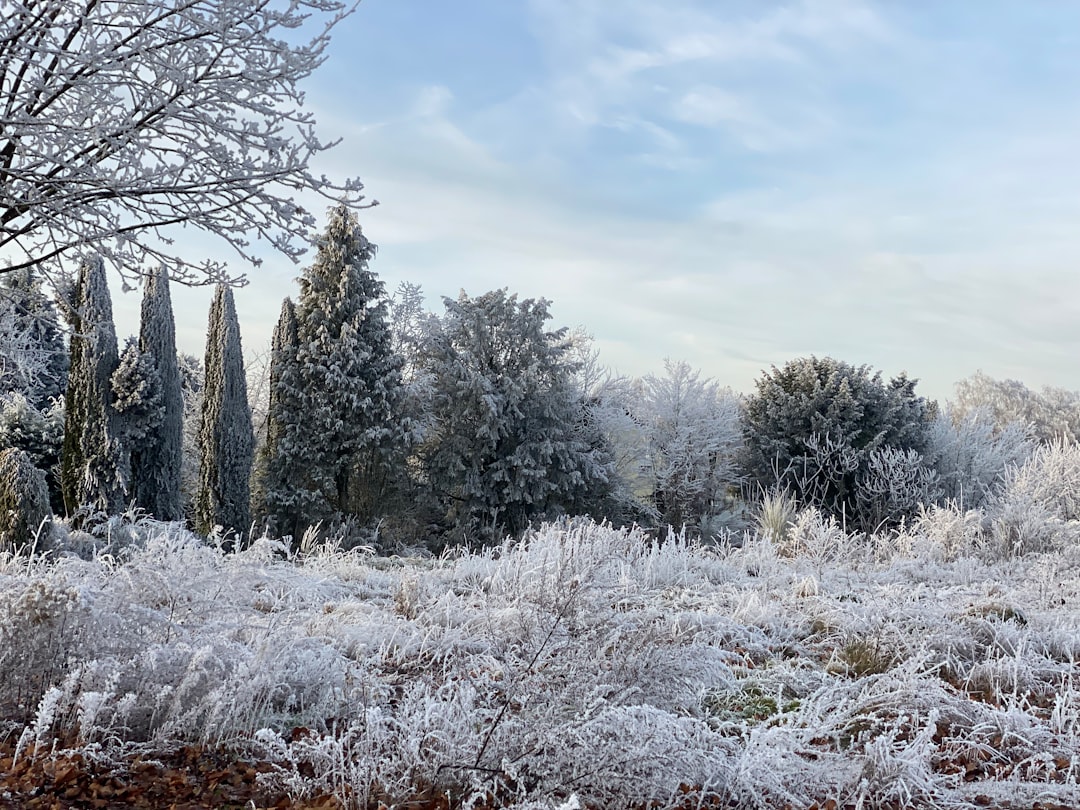
Ever notice how extreme weather events often spark a flurry of climate misinformation? It’s a common pattern, especially when winter storms hit. Recently, you might have heard claims that cold snaps disprove global warming. But here’s the crucial distinction: weather and climate are not the same thing.
Think of it this way: weather is your mood today; climate is your personality. While we still have cold days and snow, the planet’s overall “personality” is warming due to fossil fuels. In fact, a warming atmosphere can hold more moisture, potentially leading to more intense rain, sleet, or snow. The frigid US storm, for instance, was driven by a polar jet stream, and there’s growing evidence that the rapidly warming Arctic (four times faster than the global average!) might be affecting it, though scientists are still exploring the full connection.
Another target of misinformation during severe weather events? Renewable energy. When power grids struggle, claims often surface that wind and solar are to blame for blackouts. However, this isn’t always the case. Remember the 2021 Texas winter storm? Renewables were initially blamed, but peer-reviewed research later confirmed that frozen natural gas pipelines and wellheads were the real culprits behind the widespread outages. In fact, a 2024 study even found that cities with more integrated renewables were *less* vulnerable to blackouts.
So, the next time a winter storm hits or the temperature drops, remember that a single weather event doesn’t negate the scientific consensus on climate change. And when it comes to powering our homes, renewable energy sources might just be more resilient than you think. Stay informed, stay smart!
Source: https://www.straitstimes.com/world/united-states/how-does-climate-change-affect-winter-storms