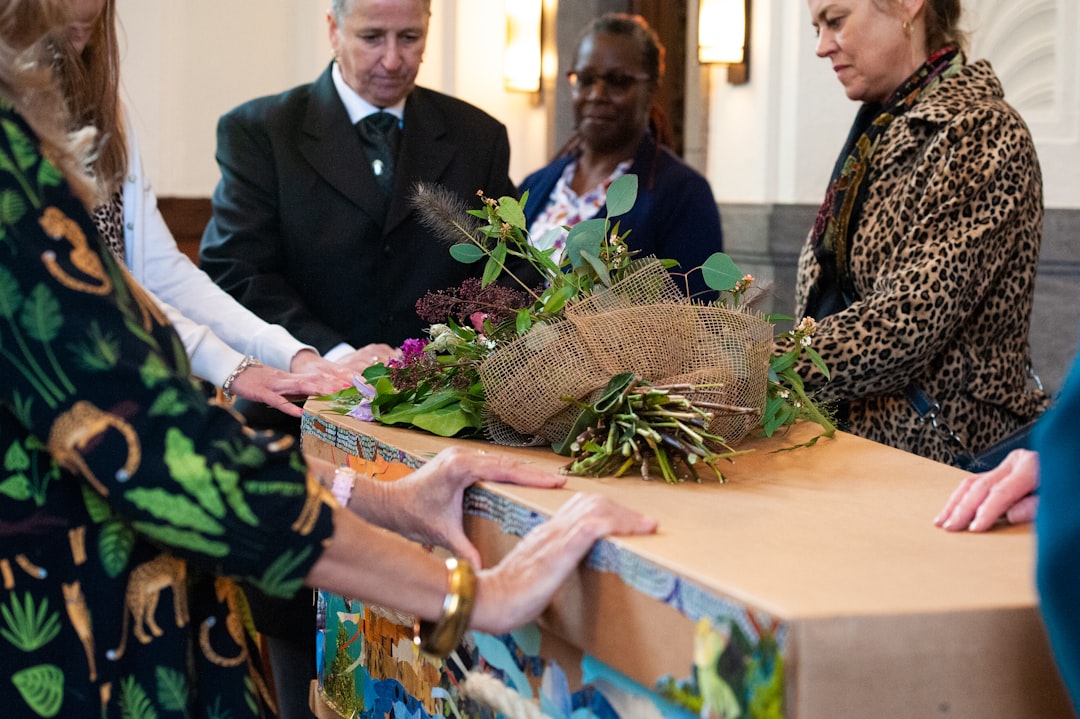
In the southern Spanish city of Huelva, a somber funeral mass recently united hundreds in shared grief and a powerful call for justice. It was a day to remember the 45 lives tragically lost in one of Europe’s deadliest train disasters, which struck near the village of Adamuz on January 18th. Survivors, still bearing the physical scars of bandages and slings, joined families whose worlds had been shattered, including King Felipe VI and Queen Letizia.
Among those voices, none resonated more profoundly than that of Ms. Liliana Saenz, who lost her beloved mother in the crash. With raw emotion and unwavering determination, she addressed the congregation: “Only the truth will help us heal this wound. We will know the truth, we will fight so that there will never be another train.” Her words echoed the collective sentiment of the 45 grieving families, a promise to unearth the truth behind the catastrophe.
The disaster has plunged Spain into a period of intense scrutiny, with questions mounting about the maintenance of its highly-regarded railway system. While the nation mourned, the absence of Prime Minister Pedro Sanchez and Transport Minister Oscar Puente at the service was notably felt. Authorities have pointed to a suspected fracture in the rail as a key factor. One train, bound for Madrid, reportedly derailed and was then tragically struck by a second train, heading in the opposite direction, within a mere 20 seconds – a fleeting moment that forever altered so many lives.
As Ms. Saenz poignantly expressed, “We are the 45 families who would trade all the gold in this world, which is now worthless, for the chance to move the hands of the clock forward just 20 seconds.” This sentiment encapsulates the profound loss and the urgent, unyielding resolve of a community determined to ensure such a tragedy never happens again.