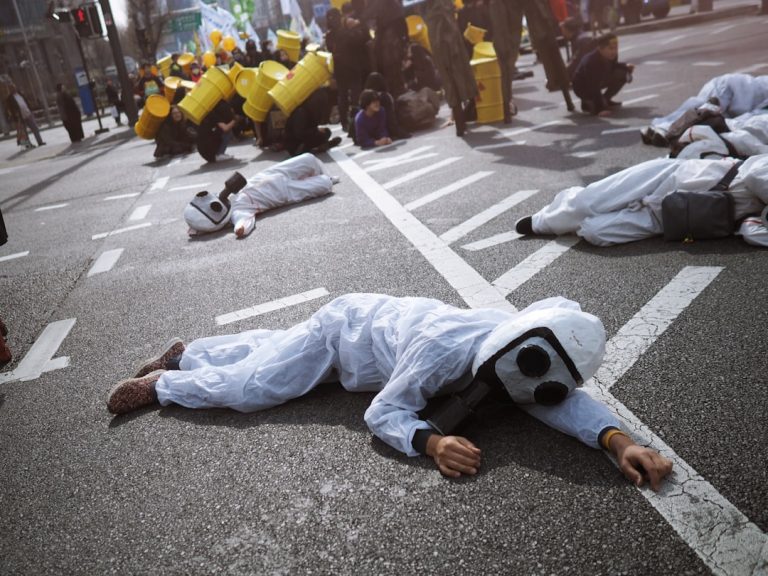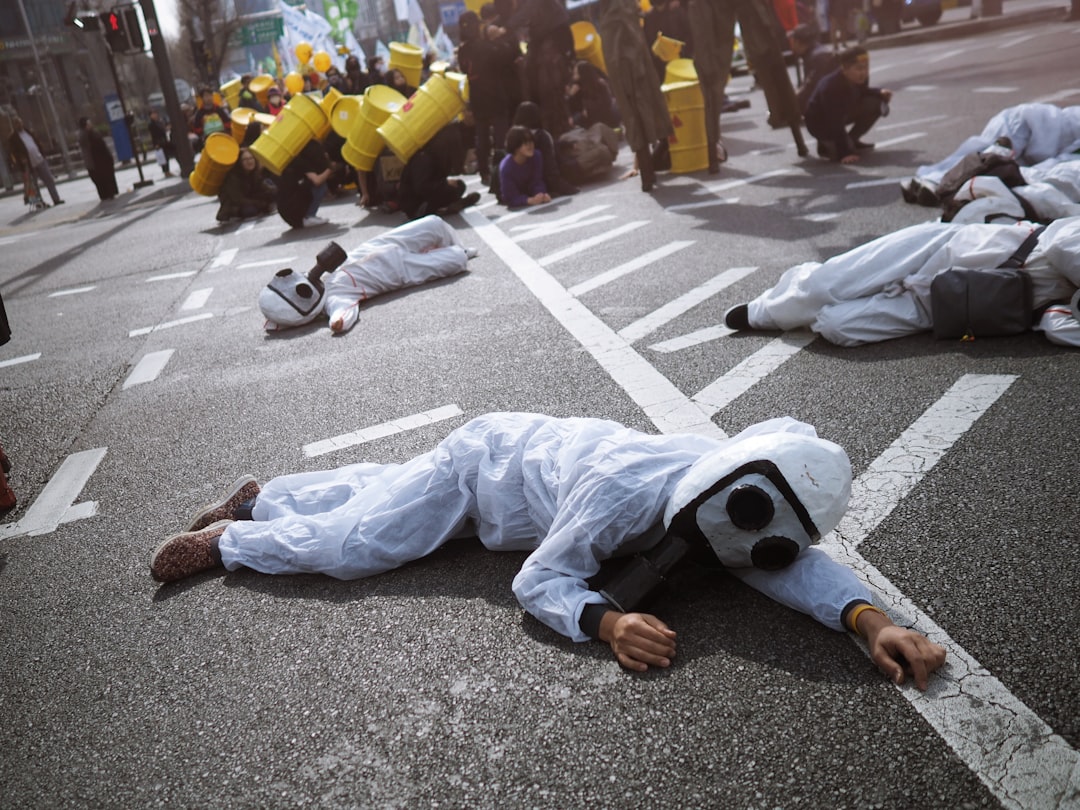
The world just entered a new, uncertain era. For the first time in decades, the two biggest nuclear superpowers, the United States and Russia, no longer have limits on their atomic arsenals. The New START treaty, which capped the number of deployed nuclear warheads and missiles, officially expired, sparking serious fears of a global nuclear arms race.
This landmark agreement, in force since 2011 and extended once, aimed to keep a lid on the destructive potential of both nations. However, critics, including former President Trump, argued it was flawed because it didn’t include China, whose nuclear capabilities are rapidly expanding. Beijing has consistently rejected calls for trilateral negotiations to limit its growing arsenal.
What does this expiration mean? Experts are divided. Some fear a dangerous, costly arms race, increasing the risk of miscalculation or conflict. They suggest maintaining the old limits, even temporarily, to preserve stability and transparency. Others believe the existing treaty was outdated, arguing that a new approach, specifically involving China, is essential to truly deter modern threats.
With no new agreement in sight and differing views from Washington and Moscow, the path forward is unclear. The potential for the US and Russia to rapidly expand their arsenals, combined with China’s ongoing buildup, creates a complex and potentially dangerous landscape. The world now watches to see if new diplomacy can forge a path to stability, or if we’re heading towards a more unpredictable nuclear future.
Source: https://www.egyptindependent.com/fears-of-nuclear-arms-race-rise-as-us-russia-treaty-expires/