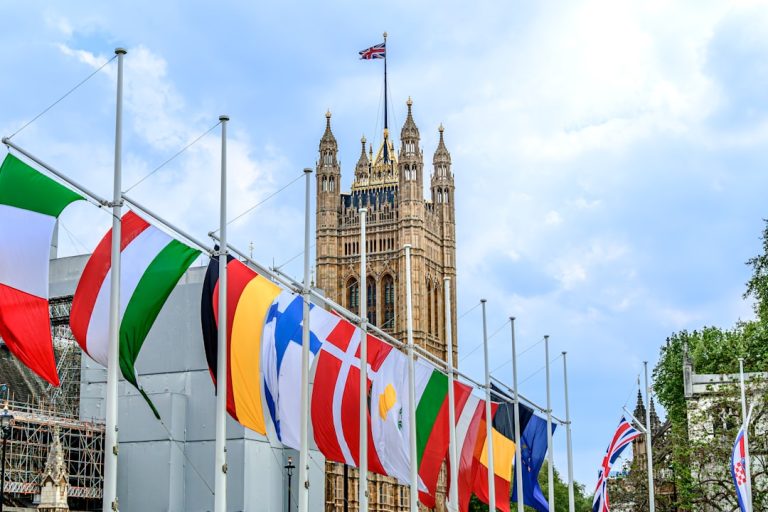
Former US President Donald Trump recently launched an ambitious new global initiative: the “Board of Peace.” Designed to tackle the complex challenges in the Gaza Strip, this board aims not only to bring lasting peace but also to drive significant redevelopment in the region. With a substantial USD 10 billion commitment from the US and a membership list that includes 27 nations like Saudi Arabia, Pakistan, and Argentina, it’s certainly garnered international attention.
Prime Minister Narendra Modi was among the global leaders personally invited by President Trump to join this high-profile peace endeavor. Yet, when the inaugural meeting of the Board of Peace convened, India’s presence was notably as an “observer.” Represented by Namgya Khampa, the Chargé d’affaires at the Indian Embassy in Washington DC, India attended to listen and learn, but explicitly chose *not* to become a full member. This careful approach was consistent with India’s absence from the board’s initial unveiling ceremony in Davos.
What makes this initiative particularly intriguing is its broader geopolitical context. Many perceive the Board of Peace as a direct rival to the United Nations. Indeed, Trump himself has openly suggested that this new board “might” eventually replace the UN, citing the latter’s perceived shortcomings in fulfilling its potential to resolve global conflicts.
As nations gather under Trump’s banner for what he hopes will be a more effective path to peace and reconstruction, India is playing a cautious hand. Its decision to observe rather than actively join signals a strategic diplomatic posture, highlighting a careful consideration of its role in these evolving international peacemaking efforts. It’s clear that while the world watches this new chapter unfold, India is taking its time to decide its future engagement.