The Middle East plunged into fresh turmoil this past weekend as the U.S. and Israel launched a major, coordinated attack on Iran. In a dramatic move, President Donald Trump urged the Iranian people to “seize control of your destiny” and rise up against their current leadership, a sentiment quickly echoed by Israeli Prime Minister Benjamin Netanyahu.
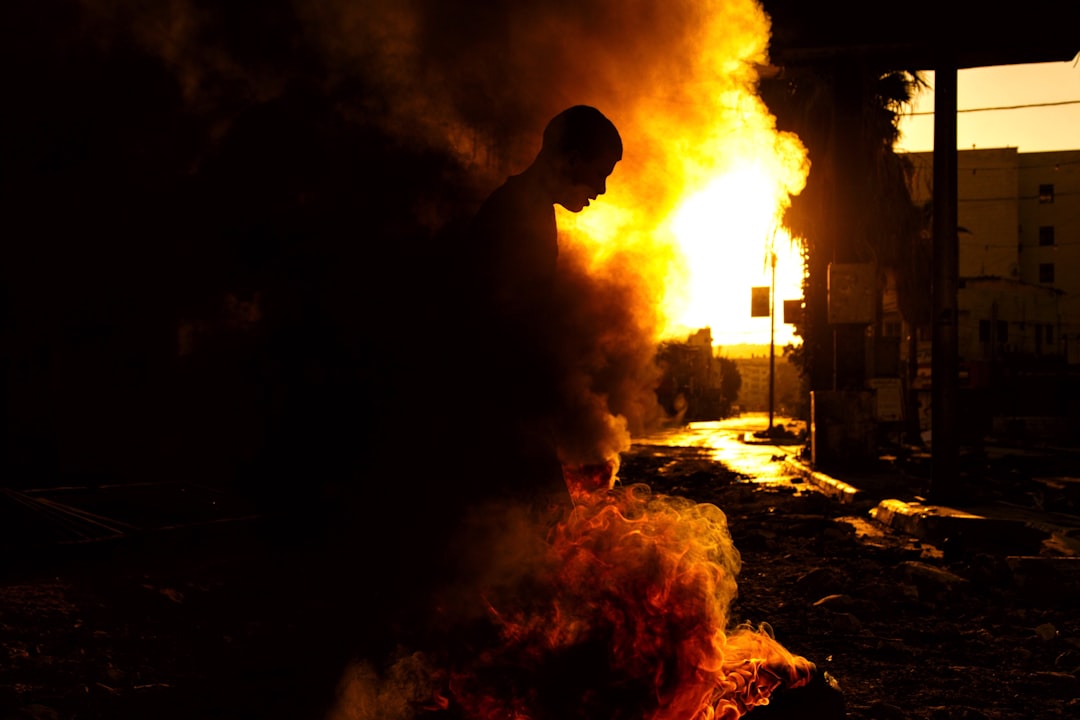
Initial reports indicated strikes near Supreme Leader Ayatollah Ali Khamenei’s offices, with Iranian media claiming attacks nationwide. Smoke billowed from the capital, Tehran, signaling the intensity of the operation.
Iran swiftly retaliated, launching missiles and drones towards Israel and U.S. military installations across the region. The human cost was tragically immediate: a girls’ school in southern Iran was reportedly hit, claiming at least 57 lives. Shrapnel from an Iranian missile also killed one person in the UAE, and flights across the Middle East faced significant disruption. Multiple other regional nations, including Kuwait, Bahrain, Qatar, and Saudi Arabia, reported incoming attacks.
This rapid escalation follows strained nuclear talks and previous U.S. military actions against Iran. Despite Trump’s “America First” promises, his administration is now actively pursuing regime change in a pivotal Middle Eastern nation. The international community is bracing for the fallout, with the UN Security Council convening an emergency meeting and Iran calling for urgent talks with the International Atomic Energy Agency. Global oil markets are also on edge, fearing disruptions to the crucial Strait of Hormuz. The situation remains incredibly volatile, with both sides entrenched and the region holding its breath.