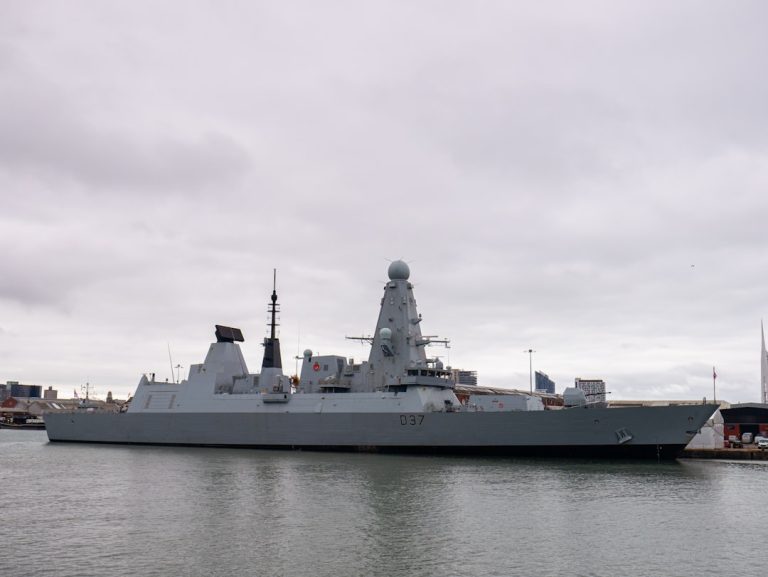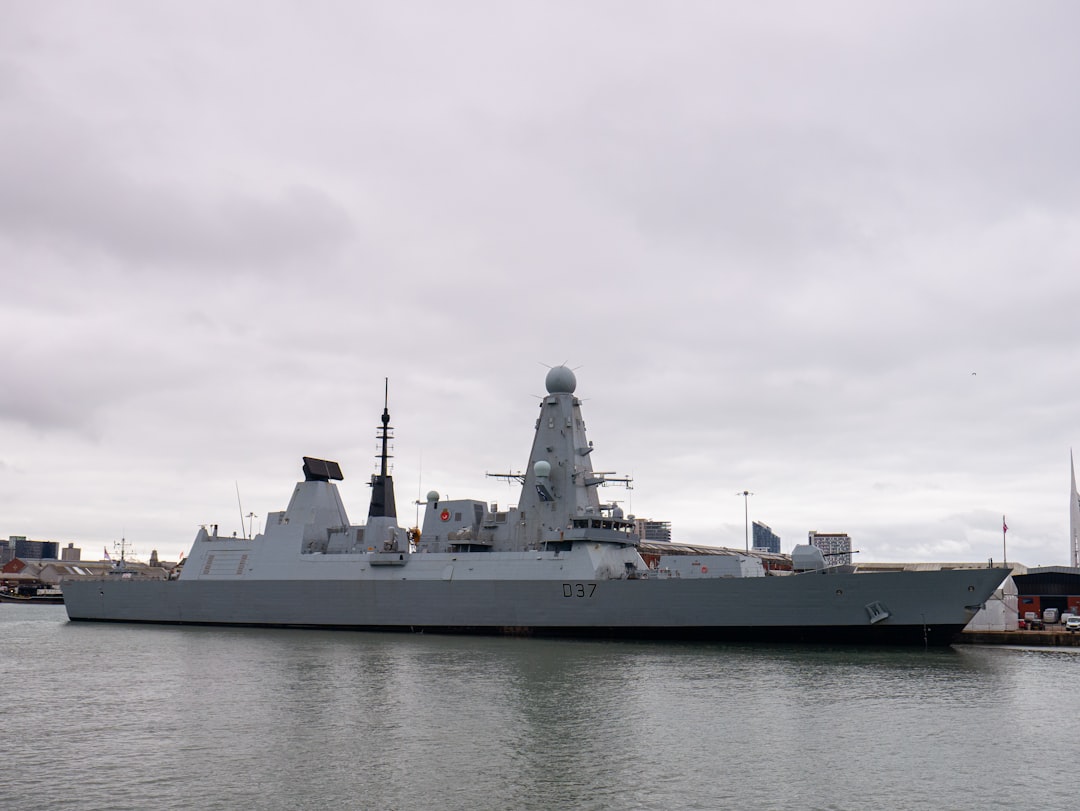
The serene waters near Sri Lanka became a new flashpoint this week as an Iranian warship, the IRIS Dena, was tragically sunk by a U.S. submarine. This dramatic event, a rare instance of a submarine torpedoing a ship since World War II, is a stark reminder of the escalating U.S.-Israeli conflict with Iran, now stretching far beyond traditional battlegrounds.
Sri Lanka’s navy responded to the distress, recovering 87 bodies and rescuing 32 Iranian sailors from the wreckage. Shockingly, the IRIS Dena had just left major naval exercises hosted by India, the multilateral MILAN 2026, where it was a “guest” of the Indian navy. This proximity has ignited a furious debate in India about maritime security in the crucial Indian Ocean, a region New Delhi considers vital to its interests.
U.S. Defense Secretary Pete Hegseth hailed the sinking as a successful operation against a “prize ship,” while President Trump’s administration has openly declared its aim to dismantle Iran’s navy. The U.S. Department of Defense even released video footage, purportedly showing the torpedo strike that tore the warship apart.
Iran’s Foreign Minister Abbas Araghchi vehemently condemned the attack as an “atrocity at sea,” vowing the U.S. would “bitterly regret” its actions. He stated the IRIS Dena carried “almost 130” crew members.
The incident puts India in a precarious position. Traditionally balancing U.S. and Iranian relations, India now faces strong criticism from its opposition for its silence, especially since the Iranian vessel was essentially under its recent hospitality. With another Iranian ship now entering Sri Lanka’s economic zone, the situation remains tense, highlighting the urgent need for diplomatic solutions to safeguard regional peace amidst a spreading conflict.