Iran is currently experiencing its third consecutive day of widespread protests and strikes, sparked by severe inflation and a dramatic devaluation of its currency. What began on Sunday, December 28, 2025, with shopkeepers in Tehran’s Grand Bazaar striking over the Iranian rial hitting a record low against the US dollar, has now spread like wildfire across the nation.
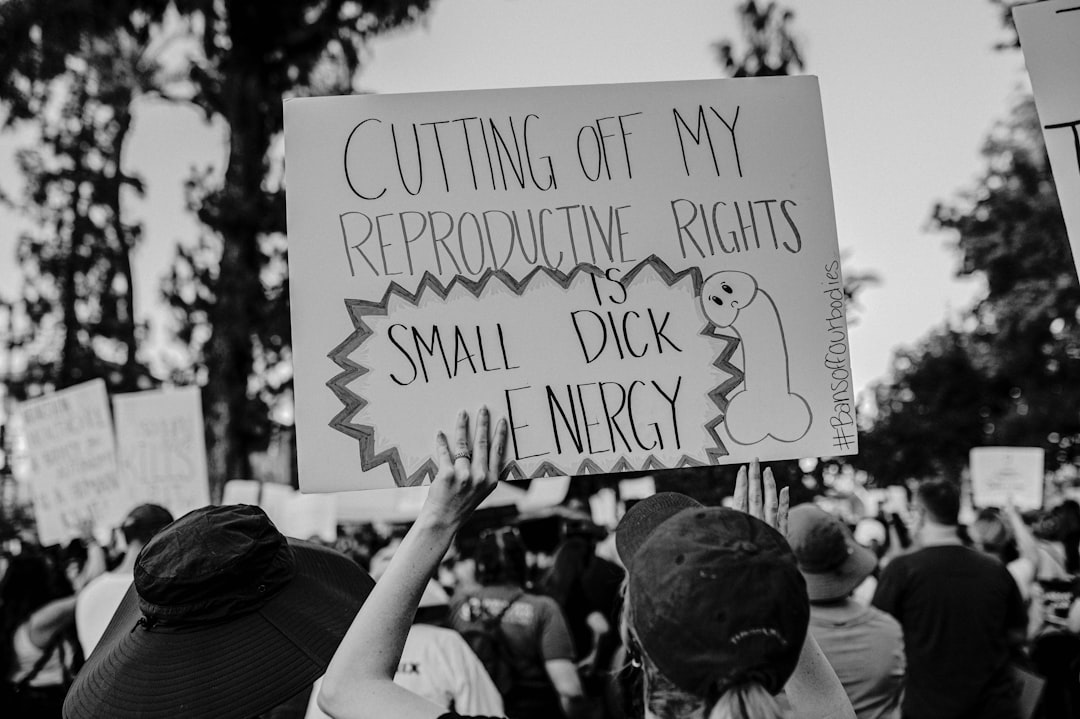
Cities from Karaj to Shiraz are seeing hundreds take to the streets, including university students, all voicing their frustration. Police have reportedly used tear gas to disperse demonstrators, highlighting the escalating tension.
The Iranian government, through President Masoud Pezeshkian, has acknowledged the protests, stating they will listen with “patience.” In a move to address the crisis, President Pezeshkian has instructed his interior minister to engage in talks with protest representatives and even accepted the resignation of the central bank governor, Mohammadreza Farzin, quickly naming Abdolnasser Hemmati as his successor.
However, the anger goes deeper than just economic policy. Protesters are chanting anti-government slogans, including “Death to the dictator,” a direct reference to Supreme Leader Ayatollah Ali Khamenei. Others are even voicing support for Reza Pahlavi, son of the late Shah, who was overthrown in 1979. Pahlavi, from his exile in the US, has expressed solidarity, stating, “Victory is ours because our cause is just.”
Internationally, the US State Department has lauded the protesters’ courage, standing with those seeking “dignity and a better future.” These events underscore a nation grappling with profound economic challenges and a populace demanding significant change.