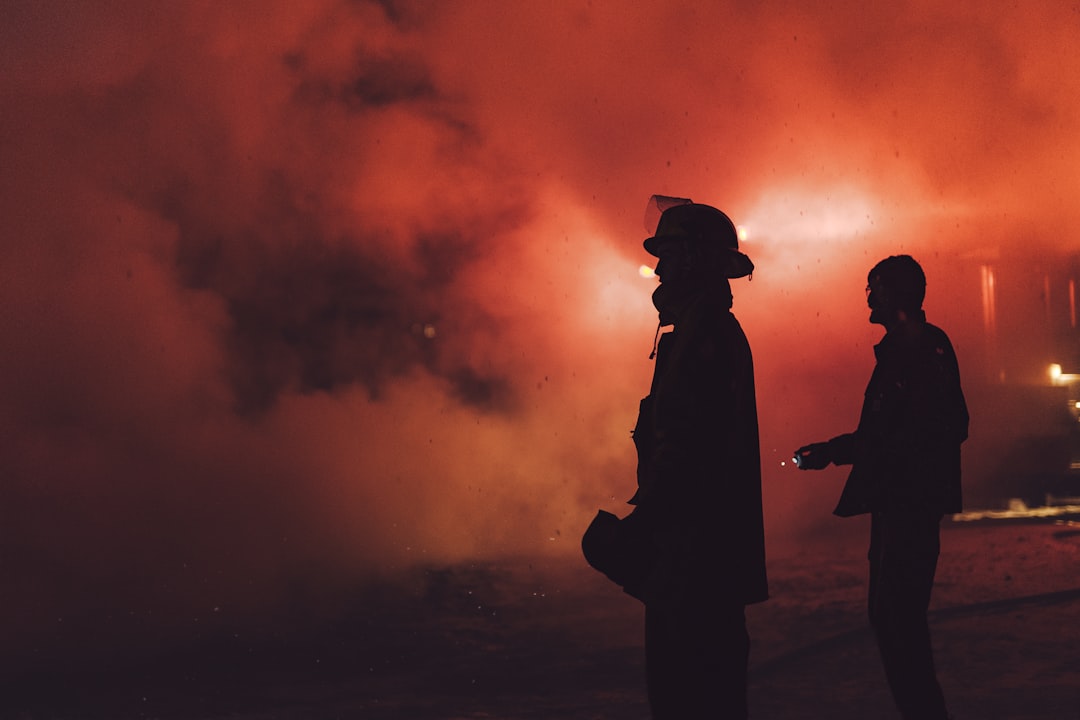
Ukraine endured another night of devastating attacks as Russian drones and missiles, including the powerful hypersonic Oreshnik missile, struck cities across the country. Kyiv bore the brunt, with residential buildings engulfed in flames, claiming at least four lives and injuring dozens, including brave emergency responders. One medic was tragically killed while aiding victims, a stark reminder of the conflict’s human cost.
These relentless bombardments have plunged neighbourhoods into darkness, cutting off power and heating for hundreds of thousands in the bitter winter. The attacks target “strategic infrastructure,” yet their impact is felt most acutely by ordinary citizens struggling to survive.
As the war nears its four-year mark, diplomatic efforts to find a peaceful resolution remain frustratingly out of reach. Western allies proposed a post-ceasefire peacekeeping plan, but Moscow swiftly rejected it, reiterating its stance that any Western troops in Ukraine would be “legitimate military targets.” Russia views such actions as an expansion of NATO, branding its opponents an “axis of war.”
Meanwhile, the repercussions spill across borders. In Russia’s Belgorod region, Ukrainian attacks have left over half a million without power or heating, and nearly 200,000 without water. The cycle of violence continues, leaving widespread suffering in its wake.
Despite a potential security agreement between Kyiv and Washington, German leaders admit a ceasefire deal is “quite far” from reality. With key territorial disputes unresolved and daily bombardments persisting, the path to peace remains tragically distant. The fight continues, with no end in sight.