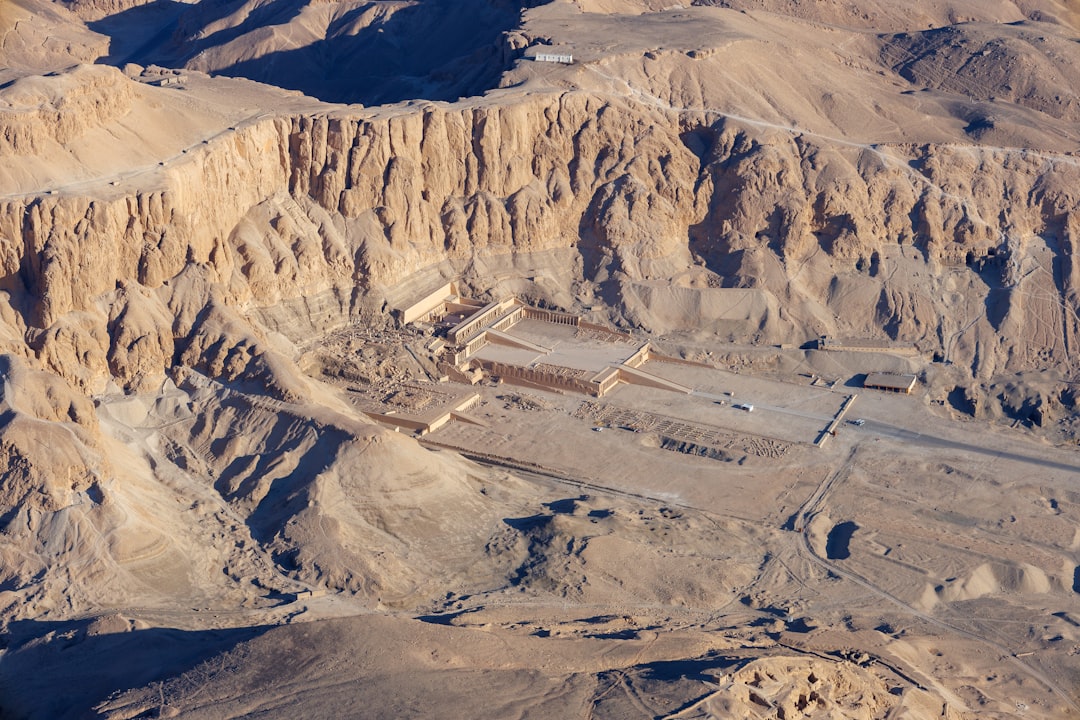
Imagine scrolling through your social media feed and encountering a powerful, ancient symbol repurposed for modern geopolitical drama. That’s precisely what happened when Iran’s Supreme Leader, Ayatollah Ali Khamenei, posted a striking image on X (formerly Twitter). The picture featured a crumbling sarcophagus, eerily resembling former US President Donald Trump, emblazoned with the stark caption: “Like Pharaoh.”
This wasn’t merely a digital jab; it was a profound historical warning. Khamenei’s accompanying Persian message declared that arrogant rulers throughout history – mentioning figures like Pharaoh, Nimrod, and others – who sought global domination, inevitably faced overthrow at the peak of their power. His chilling addition, “This one too will be overthrown,” left no ambiguity about his intended target.
The post comes amidst a period of intense friction between the US and Iran. Trump had recently issued threats against Iran’s leadership, remarks made in the context of widespread internal unrest gripping the nation. Iran has been experiencing significant protests since late December, initially sparked by the drastic depreciation of the Iranian rial and worsening economic conditions. These demonstrations quickly escalated, spreading across countless cities nationwide.
Khamenei’s highly symbolic social media statement is a potent move in a complex geopolitical chess game. It transforms ancient narratives of power and fate into a direct, public challenge in the digital age, reminding us that even in today’s interconnected world, historical metaphors are still powerful tools for sending unmistakable political messages across borders.