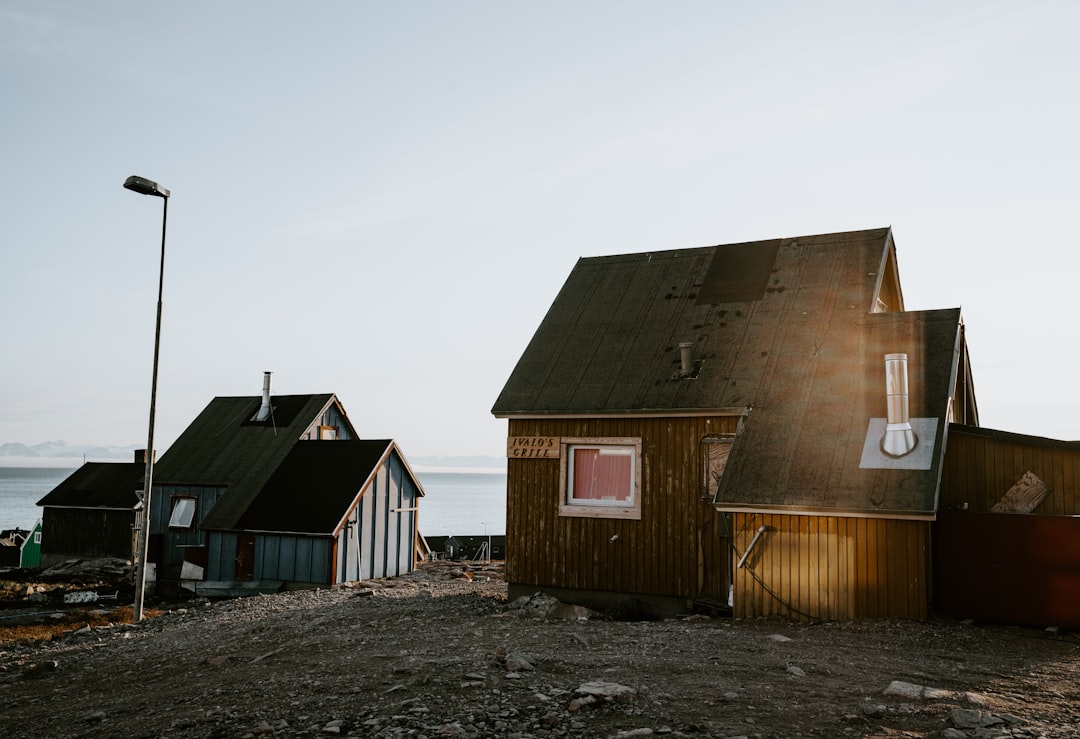
Picture this: A powerful nation wants to buy a huge, strategically vital island. The island’s owners say a firm “no,” yet the buyer insists. Sounds like a movie plot, right? Well, it’s real life, and it’s happening right now with Greenland.
Recent talks between senior US officials and Denmark, which oversees Greenland, ended with a “fundamental disagreement.” The sticking point? Former President Donald Trump’s unwavering desire to acquire Greenland, a mineral-rich island he considers crucial for US security against rivals like Russia and China.
Despite Danish and Greenlandic officials repeatedly stating the island is not for sale and that any acquisition would be an “unacceptable breach of sovereignty,” Trump didn’t back down. He even suggested “all options are on the table,” causing ripples across the NATO alliance. His social media posts pushed for the US to “conquer” Greenland, claiming it would make NATO stronger.
In response to this escalating tension, European nations are stepping up. Germany is sending 13 soldiers to Greenland for a reconnaissance mission, joining potential contributions from Sweden and Norway. This move aims to assess the region’s security needs, signaling European solidarity with Denmark.
Greenland and Denmark are resolute: the island’s sovereignty is non-negotiable. They advocate for resolving security concerns among allies, not through threats of force. This ongoing saga highlights the complexities of international relations and the importance of national self-determination in the face of powerful ambitions.