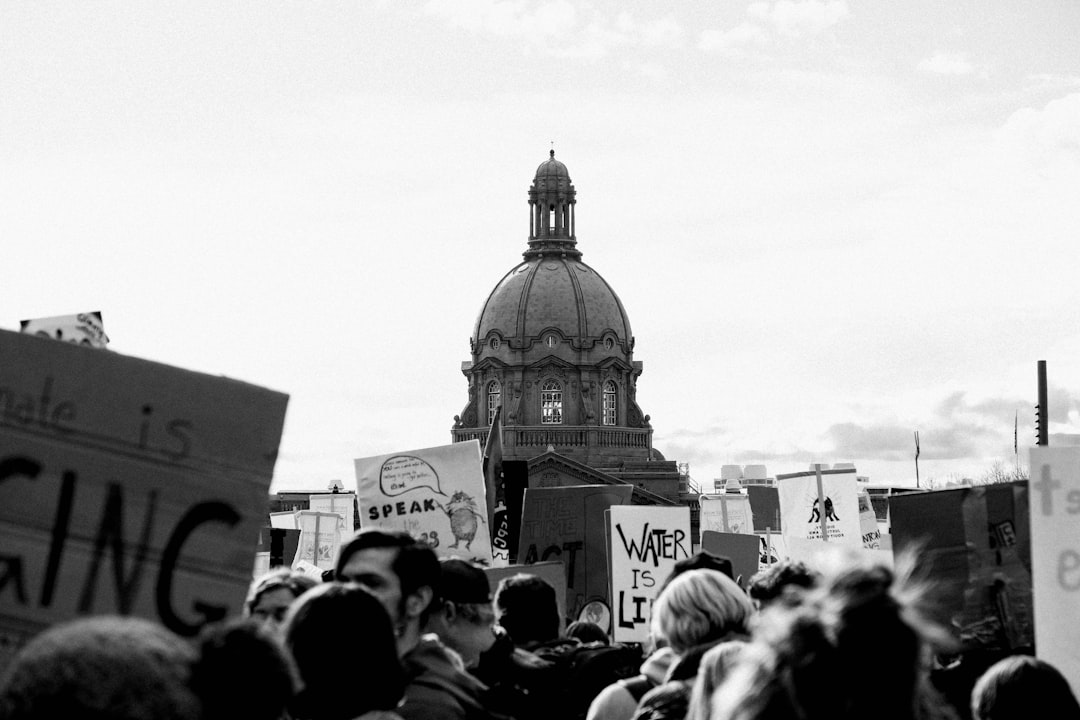
The streets of Minnesota are a tinderbox, ablaze with protests after two separate, highly controversial shootings involving federal agents. The escalating tension has pushed President Donald Trump to issue a stark warning: deploy the military using a rarely invoked power called the Insurrection Act.
The current wave of anger began after a U.S. Immigration and Customs Enforcement (ICE) agent tragically shot and killed 37-year-old Renee Nicole Good on January 7th. Just last week, Minneapolis saw another incident where an ICE agent shot and injured a man, further igniting public fury and drawing more federal agents into the northern city.
The latest shooting, according to Minneapolis Police Chief Brian O’Hara, occurred during a struggle between an ICE agent and a man outside a home. Officials reported that two others then attacked the agent, armed with a shovel and a broom. The wounded man, described as an undocumented immigrant from Venezuela, sustained a non-life-threatening leg injury and is recovering, while his alleged attackers are in custody.
President Trump took to social media, declaring that if Minnesota’s “corrupt politicians” couldn’t control what he termed “professional agitators and insurrectionists,” he would step in. Invoking the Insurrection Act would grant the government the authority to send military soldiers to enforce laws domestically – a drastic measure typically reserved for dire circumstances.
This powerful act has been used sparingly throughout history. Its most recent activation was in 1992, when President George H.W. Bush deployed troops to quell the intense riots that rocked Los Angeles following the acquittal of officers in the Rodney King beating case.
The prospect of federal troops on Minnesota’s streets signals a dramatic escalation, underscoring the deep divisions and high stakes in this unfolding crisis.