Venezuelan opposition leader Maria Corina Machado recently made headlines by presenting her 2025 Nobel Peace Prize medal to US President Donald Trump. Trump accepted it, calling the moment a “wonderful gesture.” While the exchange certainly captured attention, it immediately sparked a crucial question: Can a Nobel Peace Prize actually be shared, revoked, or transferred to someone else?
Turns out, the answer is a resounding “No.” The Nobel Committee operates with very strict rules. According to the Norwegian Nobel Committee, once a Nobel Prize is announced, that decision is final and set in stone. The Nobel Peace Center explicitly states, “Once a Nobel Prize is announced, it cannot be revoked, shared, or transferred to others. The decision is final and stands for all time.”
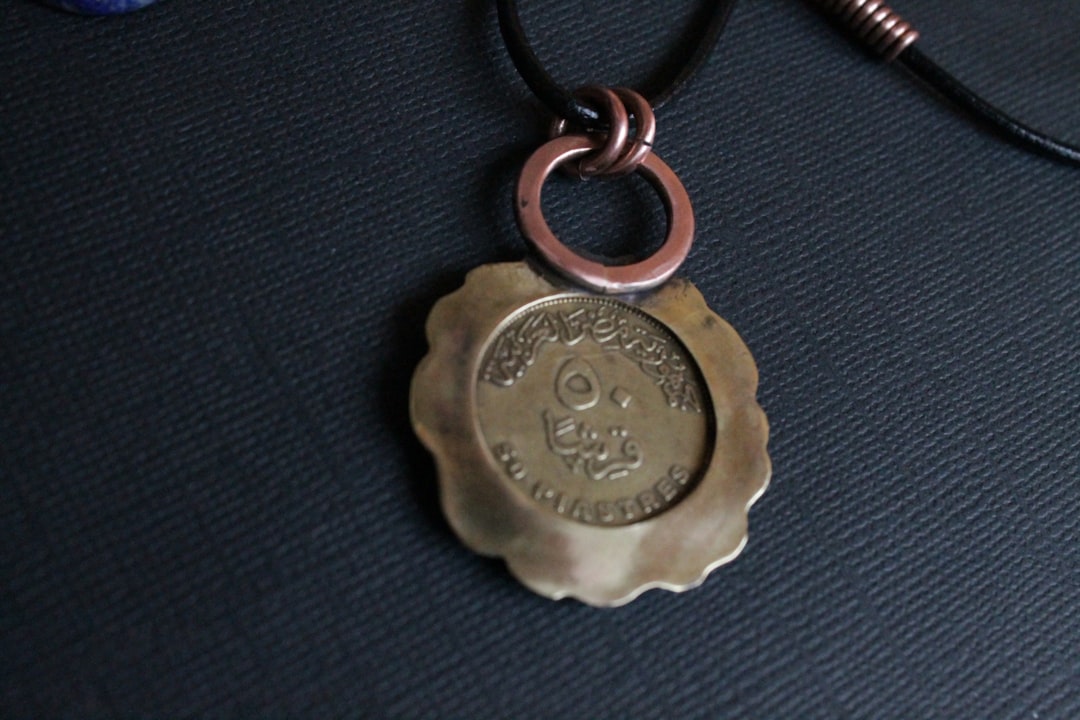
So, what exactly did Machado hand over? She presented the physical gold medal itself – a significant artifact measuring 6.6 cm in diameter, weighing 196 grams, and featuring Alfred Nobel’s portrait alongside a symbol of brotherhood. While the *medal* can indeed change owners, much like any valuable object, the prestigious *title* of Nobel Peace Prize laureate remains permanently with the original recipient.
Maria Corina Machado was awarded the 2025 prize for her dedicated work promoting democratic rights and a peaceful transition in Venezuela. The Nobel Foundation’s statutes are clear: there are no appeals against a prize decision, and no mechanism exists to revoke an award once given. The Committee’s mandate focuses solely on evaluating candidates up to the point of the award, not on commenting on their future actions or allowing for transfers of the honor.
In essence, while the gesture was noteworthy, the fundamental recognition of a Nobel Peace Prize is unchangeable. It’s a permanent honor, firmly tied to the individual it was originally bestowed upon, regardless of where the physical medal may end up.