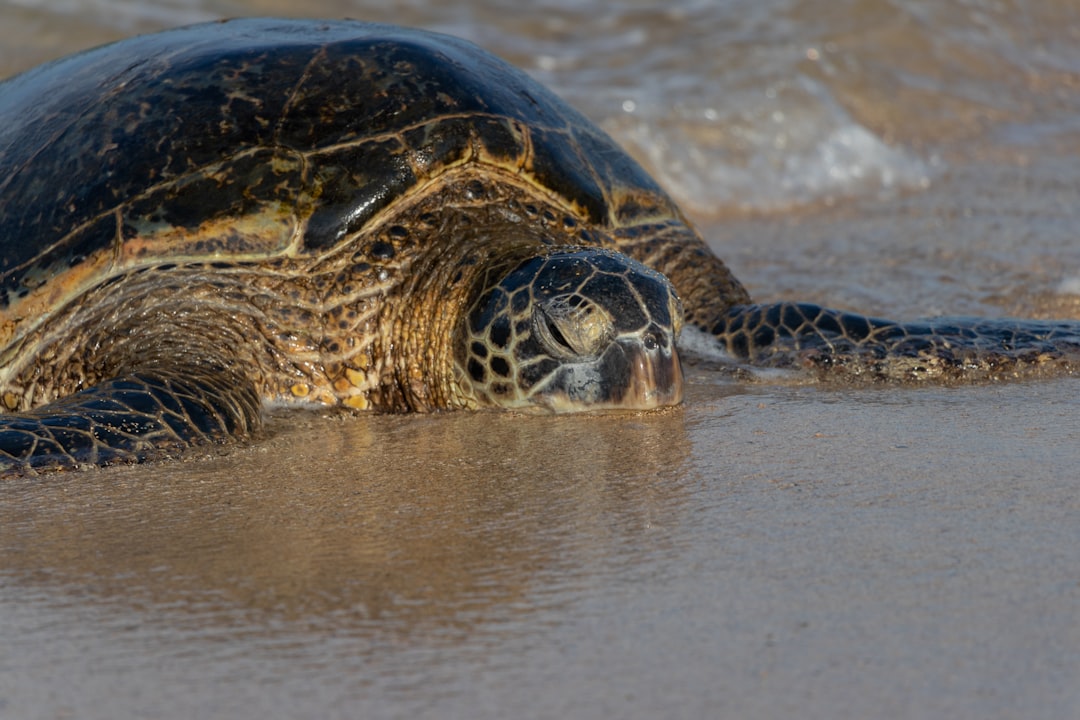
When you picture sea turtle conservation, you likely imagine volunteers safeguarding nests on sandy beaches. But a fascinating new study from the Red Sea reveals that protecting these ancient mariners demands a much grander vision: we need to protect their entire oceanic odyssey, from nesting shores to distant feeding grounds.
Researchers recently tracked female green and critically endangered hawksbill turtles after they nested on islands in the Red Sea. What they found was truly eye-opening: these dedicated mothers didn’t just stay put. Satellite tags showed them embarking on incredible migrations, traveling *hundreds of miles* across the sea to reach vital coral reefs and seagrass beds where they feed.
This isn’t just a leisurely cruise. Lead author Hector Barrios-Garrido highlighted that some turtles journeyed from Saudi Arabian waters all the way to Egyptian waters near the bustling Suez Canal – areas teeming with human activity like shipping and fishing. These crucial feeding grounds, while essential for their survival, expose them to significant dangers.
The study identified six distinct foraging areas, emphasizing that conservation can’t stop at political borders. To truly save these magnificent creatures, we need coordinated international efforts that protect not only their precious nesting islands but also their migratory pathways and the vital reef ecosystems they depend on. Sea turtles are “umbrella species,” meaning actions to protect them also benefit countless other marine organisms, underscoring how deeply their survival is intertwined with the health of our oceans.
Source: https://www.yahoo.com/news/articles/conservation-isn-t-just-saving-180200897.html