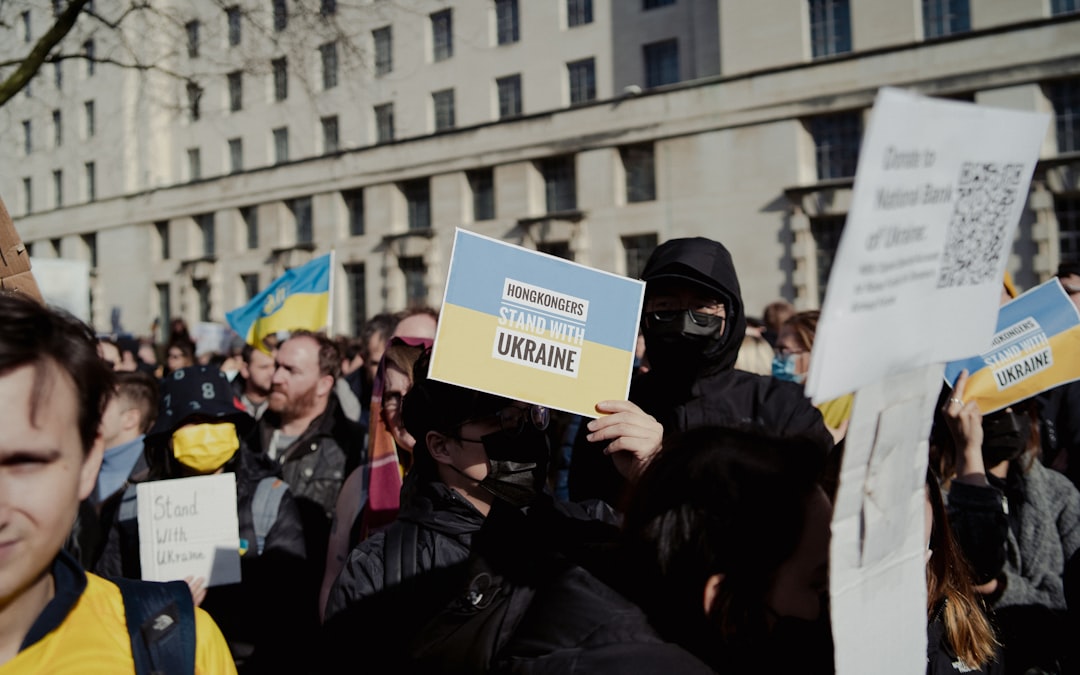
On January 30, 2026, the streets of Tirana, Albania, echoed with a powerful message: “Not in My Name.” Hundreds of citizens, waving banners and Palestinian flags, gathered outside the Albanian Parliament to voice their strong disapproval of Prime Minister Edi Rama’s recent visit to Israel.
Rama’s trip, which took place from January 25-27, culminated in a controversial speech at the Israeli parliament, the Knesset. During his address, the Prime Minister expressed solidarity with Israeli leaders and highlighted Albania’s historical support for the Jewish people. However, protesters and experts alike criticized his stance as “one-sided,” claiming he shielded Israel from accountability and blamed Hamas entirely for the humanitarian crisis in Gaza, while largely ignoring the devastating Palestinian death toll.
“This visit does not represent the Albanian people,” declared protester Sidorela Vatnikaj, echoing the sentiments of many. Organizers emphasized that the demonstration aimed to show that Albanian society stands firmly for peace and justice, rejecting policies linked to violence and the tragic loss of civilian lives. Another protester, Orgest Rrushi, explicitly rejected statements Rama made in their name, demanding an end to the conflict.
Political analysts, such as Marlind Laci, further commented that Rama’s government appears to lack a clear strategic plan, with decisions seemingly guided more by his “personal instinct” than by Albania’s national interests. The protest highlights a significant divide between the government’s diplomatic actions and the moral stance of a portion of its citizenry. Despite police preventing a march, the message from Tirana was clear: many Albanians demand their country uphold a balanced and humanitarian voice on the world stage.