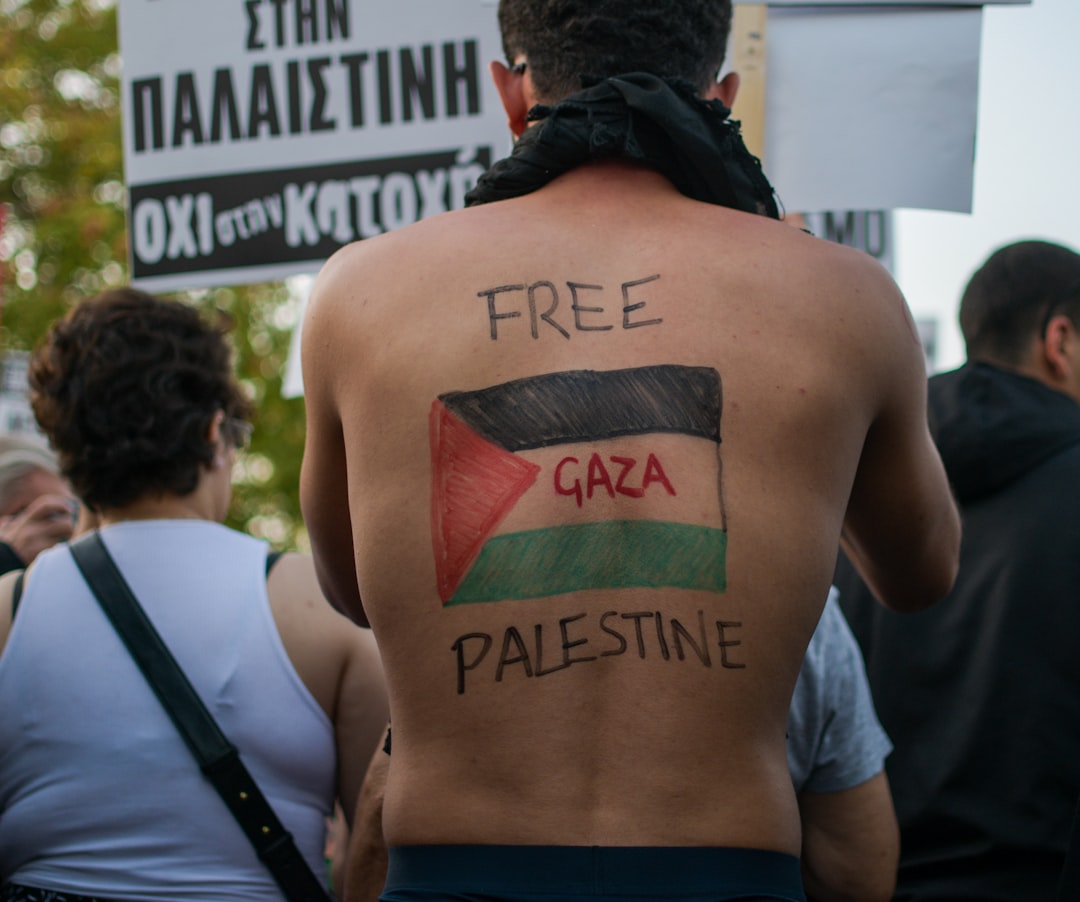
Despite a ceasefire agreement meant to bring an end to the fighting, the Gaza Strip experienced a devastating Saturday with Israeli strikes reportedly killing at least 30 Palestinians. This marks one of the highest single-day death tolls since the October ceasefire began, casting a shadow over peace efforts and the hopes for a lasting calm.
Strikes targeted various locations across Gaza, including an apartment building in Gaza City, a tent camp in Khan Younis, and a police station. Among the casualties were two women and six children from different families, highlighting the tragic impact on civilians. The incident at the tent camp reportedly caused a fire, claiming the lives of a father, his three children, and three grandchildren. At the Gaza City apartment, three children, their aunt, and grandmother were killed.
These renewed hostilities occurred just a day before the crucial Rafah crossing with Egypt was set to open. This crossing is seen as a vital lifeline for thousands of Gazans needing medical treatment outside the territory, where much of the healthcare infrastructure has been destroyed. Its limited opening signifies a major step in the second phase of the US-brokered ceasefire, which aims to reopen borders, demilitarize the region, and establish a new government for reconstruction.
Hamas has condemned Saturday’s strikes as a “flagrant violation” of the ceasefire, urging international mediators to intervene. Conversely, Israel’s military stated its attacks were a response to earlier ceasefire violations by Hamas, including militants emerging from a tunnel the day before.
The rising death toll serves as a stark reminder of the ongoing human cost in Gaza, even as diplomatic efforts slowly advance. The hope for lasting peace remains fragile, tested by each new outbreak of violence.