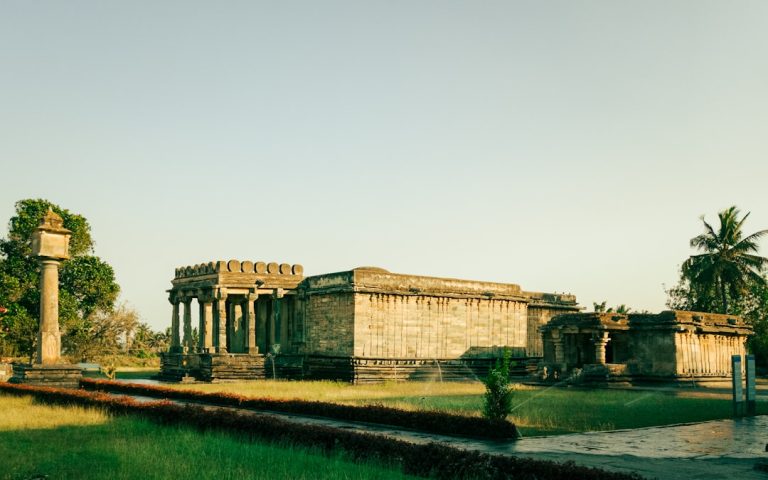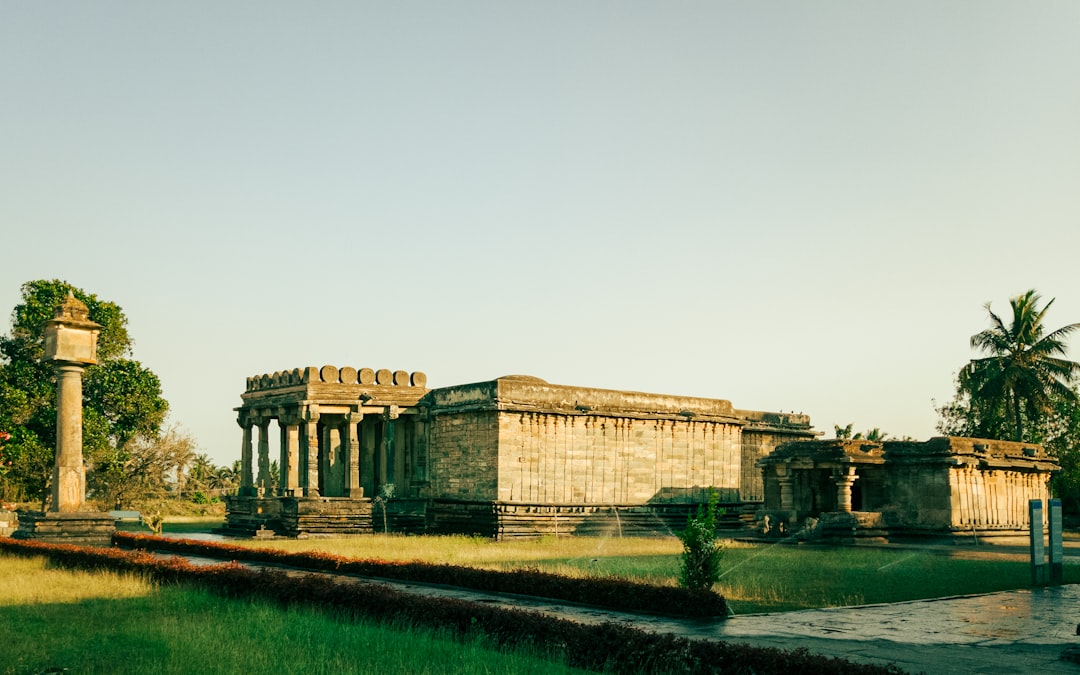
Imagine your childhood sanctuary, a place of peace and heritage, suddenly reduced to rubble. For R. Arindran, a 40-year-old Malaysian business owner, this nightmare became reality when the Sri Uchimalai Muniswarar Temple in Rawang was demolished. For generations, this hilltop shrine was the heart of his family’s world, a spiritual anchor for rubber tappers seeking protection. Now, only memories remain.
This isn’t just one story; it’s a recurring flashpoint in multiracial, multireligious Malaysia. Many Hindu temples, built by Indian laborers during the colonial era, never received legal land titles. They once sat in remote plantations, providing solace. Today, urban expansion means these historic sites often stand on land designated for development, leading to painful disputes with new landowners like the Kubra Foundation, who claim legal ownership and have other plans.
The Rawang demolition, despite legal notices from the landowner, saw civilians take matters into their own hands, sparking outrage and raising questions about due process. Political analysts call it a “no-win” situation for Prime Minister Anwar Ibrahim. If he enforces land laws strictly, he risks alienating non-Malay supporters who see these temples as vital heritage. If he’s perceived as too lenient, his government faces accusations of threatening Malay rights.
With hundreds of unregistered temples across Malaysia, this issue is deeply entwined with identity and faith. For communities like Arindran’s, a temple is more than a building; it’s a living link to their ancestors, a gathering place, and a core part of their “DNA.” Finding a respectful, equitable solution that honours both land ownership and cultural heritage remains a critical, delicate challenge for Malaysia.