The Middle East is caught in a whirlwind of escalating conflict, with Iran, Israel, and the United States embroiled in a dangerous exchange of attacks. Early Thursday morning, a new wave of aerial strikes saw Iran launch missiles at Israeli cities like Tel Aviv and Jerusalem, along with U.S. military bases in the region. Israel swiftly responded, targeting the Iranian-backed Hezbollah militant group in Lebanon.
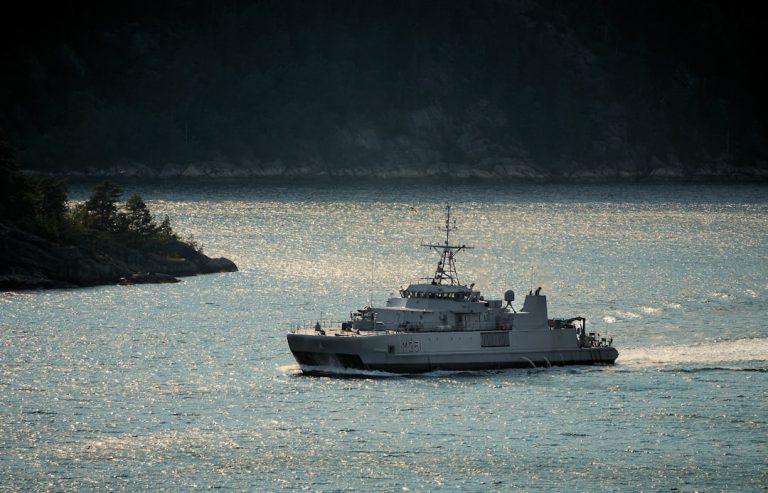
This intense new chapter follows a major naval incident: an American submarine reportedly sank an Iranian warship in the Indian Ocean, further ratcheting up tensions. The conflict, which ignited just days ago, has already resulted in a tragic human cost, with over a thousand lives lost in Iran, dozens in Lebanon, and several in Israel. Daily life is severely disrupted, forcing evacuations and a widespread sense of anxiety across neighboring countries.
Beyond the immediate battlefields, the global economy is feeling the severe repercussions. Oil prices have skyrocketed, and critical international shipping lanes, particularly through the Strait of Hormuz, face significant disruptions. This instability fuels fears of a potential worldwide economic downturn. International leaders, including those from Canada and Australia, are urgently calling for de-escalation, underscoring the broad concern over the widening crisis.
Adding to Iran’s internal pressures, the nation is mourning the death of its Supreme Leader, Ayatollah Ali Khamenei, at the conflict’s onset, delaying his ceremonies amidst a crucial leadership succession. With the U.S. and Israel focusing on Iran’s leadership, missile capabilities, and nuclear program, the future of this open-ended conflict remains highly uncertain. The world holds its breath, watching as a volatile situation unfolds with profound regional and global implications.