
Skip to content
camfyre

camfyre

just news

cropped-banner-ad1.png
Primary Menu
  • News
  • Science
  • Health
  • Money
  • Sports
  • Entertainment
  • Technology
  • Business
  • Opinion
  • Lifestyle
Live
  • Home
  • 2026
  • March
  • 6
  • Who Decides War? Congress Grapples with Presidential Power in Iran Conflict
  • News

Who Decides War? Congress Grapples with Presidential Power in Iran Conflict

ivanusma70 March 6, 2026 2 minutes read
featured_image-83

Washington D.C. has been gripped by a fundamental question: who truly decides when the U.S. goes to war? In recent days, both the House and Senate narrowly rejected efforts to halt President Donald Trump’s military actions against Iran, revealing deep divisions and constitutional challenges.

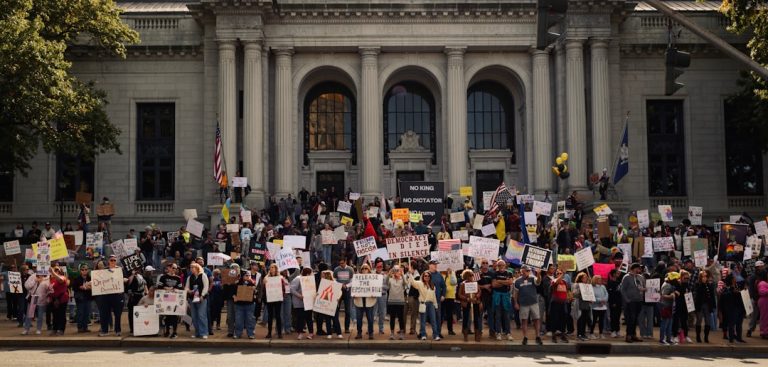
At the heart of the debate is President Trump’s decision to act unilaterally, citing national security threats. Many lawmakers, primarily Democrats but including some Republicans, vehemently argued that the U.S. Constitution clearly grants Congress – not the President – the power to declare war. They warned against bypassing legislative authority, fearing another costly “forever war” with severe human and financial consequences. As one representative put it, “Donald Trump is not a king.”

On the other side, Trump’s Republican allies largely supported his decisive actions. They saw the operations in Iran as a necessary move against a long-menacing regime and an “imminent threat,” rather than the start of a new conflict. Some even viewed it as an opportunity for regime change. They argued that limiting presidential authority during ongoing military operations would be dangerous and undermine national defense.

Despite calls for greater congressional oversight, both resolutions ultimately failed to pass. This outcome highlights the significant power imbalance and the ongoing struggle between the executive and legislative branches. With American lives already lost, thousands of civilians fleeing the region, and administration officials offering changing justifications and timelines, the stakes are incredibly high.

The core question remains: Does the President possess the full authority to act on perceived national interests, or must Congress always provide the ultimate check on the decision to wage war? This debate will continue to shape not just U.S. foreign policy, but the very fabric of American democracy.

Source: https://www.arabnews.pk/node/2635434/world

Post navigation

Previous: High Stakes Diplomacy: Trump Claims Iran Wants a Deal Amidst Tensions
Next: Your Ultimate Guide to Smarter Investing and Financial Control

Related Stories

featured_image-93
  • News

Europe’s Nuclear Chessboard: Finland’s Latest Move

ivanusma70 March 6, 2026
featured_image-92
  • News

Silence in the Storm: Owaisi Challenges PM Modi on Global Stage

ivanusma70 March 6, 2026
featured_image-91
  • News

Beyond ‘Fake News’: The Enduring Fight Over War Reporting

ivanusma70 March 6, 2026

Recent Posts

  • Trump’s Unexpected Game Plan: Tackling College Sports First
  • Europe’s Nuclear Chessboard: Finland’s Latest Move
  • Silence in the Storm: Owaisi Challenges PM Modi on Global Stage
  • Beyond ‘Fake News’: The Enduring Fight Over War Reporting
  • Morbi’s Ceramic Crisis: How Global Conflicts Hit Local Industries

Categories

  • Business
  • Entertainment
  • Health
  • Lifestyle
  • Money
  • News
  • Opinion
  • Science
  • Sports
  • Technology
  • Uncategorized

You may have missed

featured_image-94
  • Sports

Trump’s Unexpected Game Plan: Tackling College Sports First

ivanusma70 March 7, 2026
featured_image-93
  • News

Europe’s Nuclear Chessboard: Finland’s Latest Move

ivanusma70 March 6, 2026
featured_image-92
  • News

Silence in the Storm: Owaisi Challenges PM Modi on Global Stage

ivanusma70 March 6, 2026
featured_image-91
  • News

Beyond ‘Fake News’: The Enduring Fight Over War Reporting

ivanusma70 March 6, 2026
Copyright © All rights reserved. | MoreNews by AF themes.