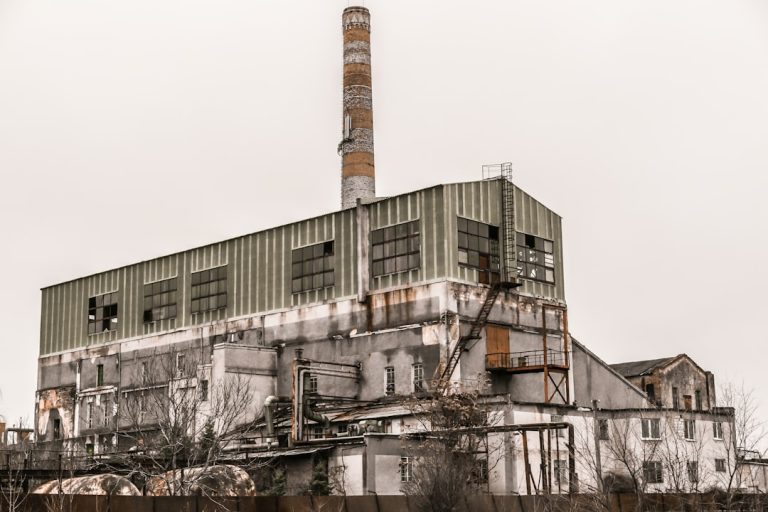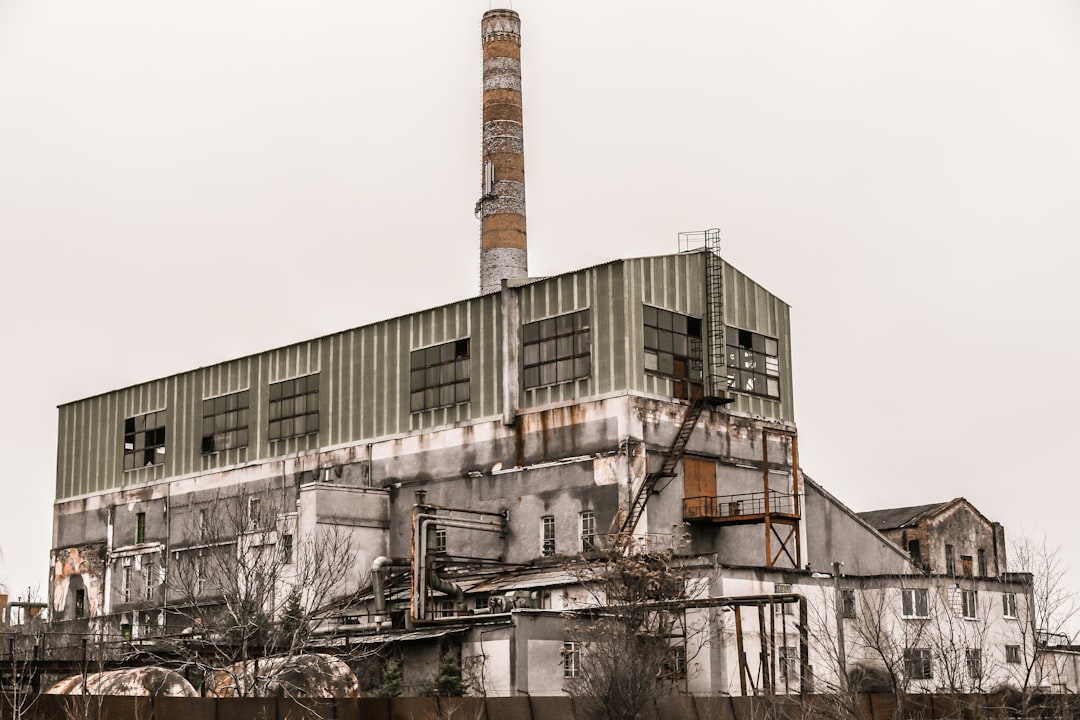
Morbi, Gujarat, a name synonymous with ceramic manufacturing globally, is facing an unprecedented challenge. A staggering 100 ceramic factories have already ground to a halt, with warnings that up to 400 more could follow in mere days. The surprising cause? A severe fuel shortage directly linked to the US-Israel-Iran conflict.
Yes, a war thousands of miles away is causing production lines to freeze in India. The heightened geopolitical tensions have severely disrupted vital shipping routes, making it incredibly difficult to secure essential propane gas supplies. Manoj Arvadiya, from the Morbi Ceramic Manufacturers Association, emphasizes the urgency, stating that if propane isn’t restored, the domino effect will spread, even threatening units currently using other fuel sources.
The impact extends far beyond just closed factories. Morbi is a major exporter of tiles and ceramic products, and with fuel issues, existing export orders are stuck, unable to be shipped. New orders are on hold. This not only causes significant financial strain for businesses – impacting payment cycles and cash flow – but also casts a shadow over the livelihoods of thousands of workers. Factories are doing their best to retain staff, but a prolonged crisis is a serious threat.
This situation in Morbi is a vivid illustration of our interconnected world. A conflict in the Middle East directly translates to job losses and economic turmoil in a major Indian industrial hub. Industry leaders are now urgently seeking assistance from the state government, hoping for a swift resolution to prevent a much larger economic downturn. It’s a powerful reminder that global stability isn’t just a political ideal; it’s crucial for everyday jobs and economies worldwide.