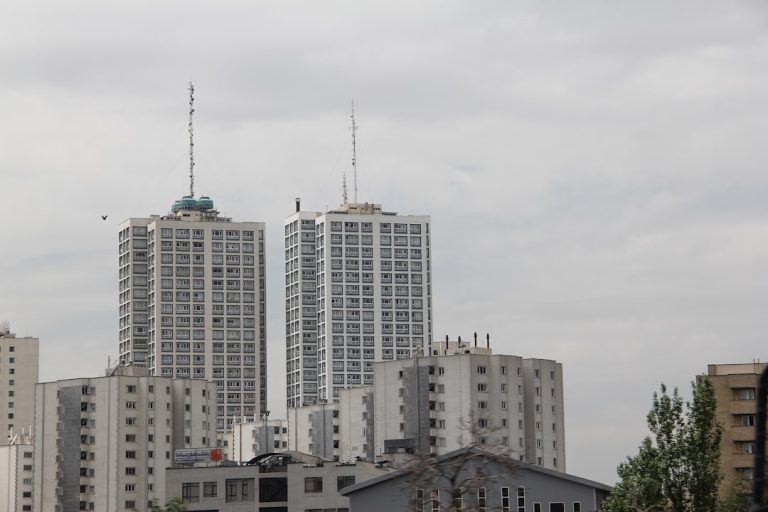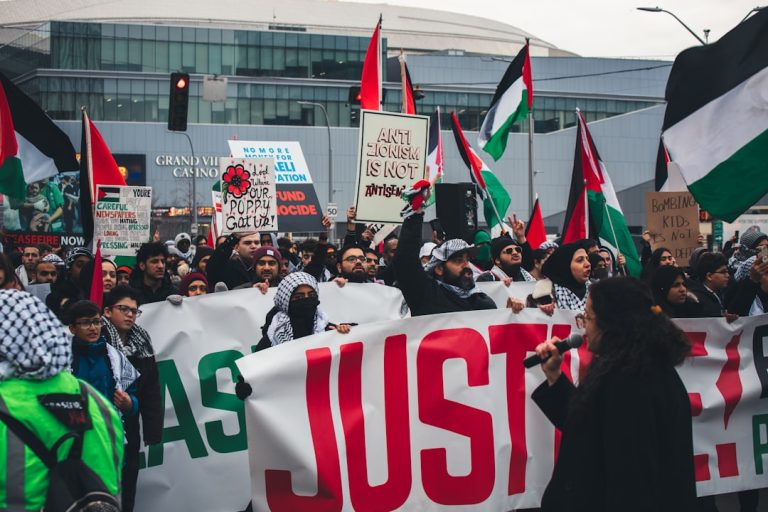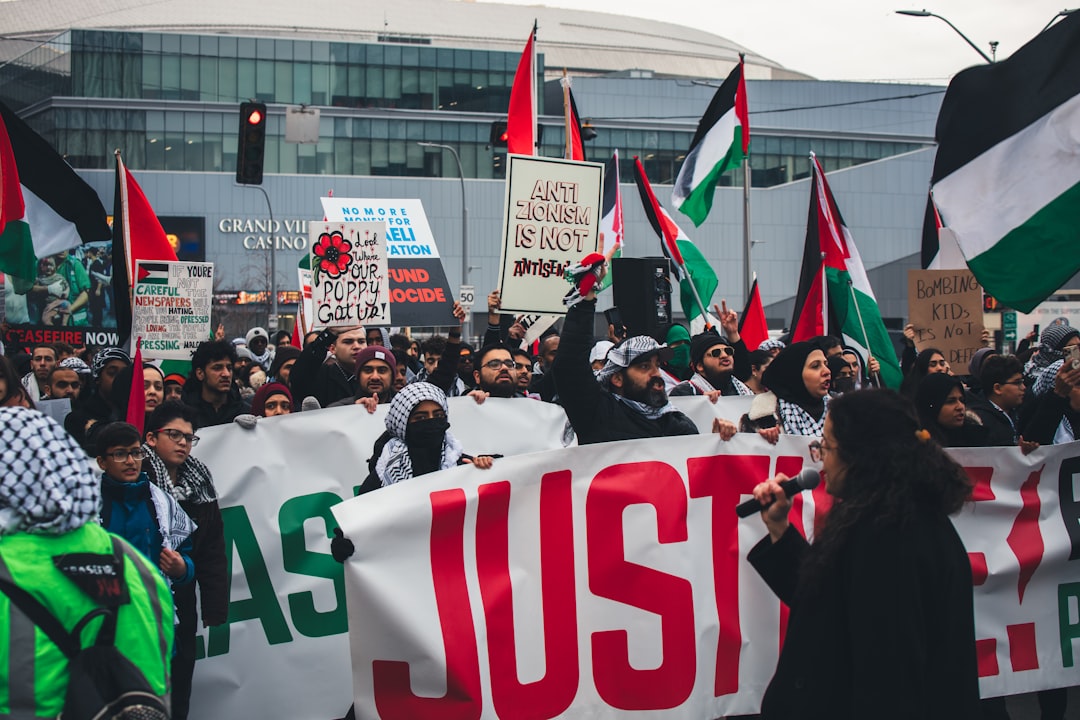
The Middle East is facing a rapidly escalating conflict, with Iran at the center of intense crossfire. Israel and the United States are unleashing air strikes on Iran, while Iran targets Gulf Arab states like Bahrain, Saudi Arabia, and the UAE. There’s no end in sight, and the stakes are soaring.
US President Donald Trump’s demand for Iran’s “unconditional surrender” has been fiercely rejected by Iranian President Masoud Pezeshkian, who called it “a dream they should take to their grave.” Despite Pezeshkian’s apology for some regional attacks, citing “miscommunication,” the violence only intensifies.
The human cost is tragic, with hundreds of casualties in Iran, Lebanon, and Israel, plus US troop losses. The US is bolstering Israel with a new $151 million arms sale and warns of its “most intense” bombing campaign yet. Sirens wail across the Gulf, even forcing evacuations at Dubai International Airport.
The conflict’s expansion sends shivers globally. Qatar’s energy minister warns of a potential worldwide economic collapse and soaring oil prices. Analysts suggest Iran’s actions are a “strategic miscalculation,” pulling its Arab neighbors into a direct confrontation. Even Russia has reportedly provided intelligence to Iran, hinting at wider involvement.
Adding to the horror, a deadly explosion at a school in Minab, Iran, which killed over 165 people, mostly children, is now being attributed to US air strikes by new information – though the US is still investigating. As cities are battered and innocent lives are lost, the path to peace remains tragically unclear in a region teetering on the brink.