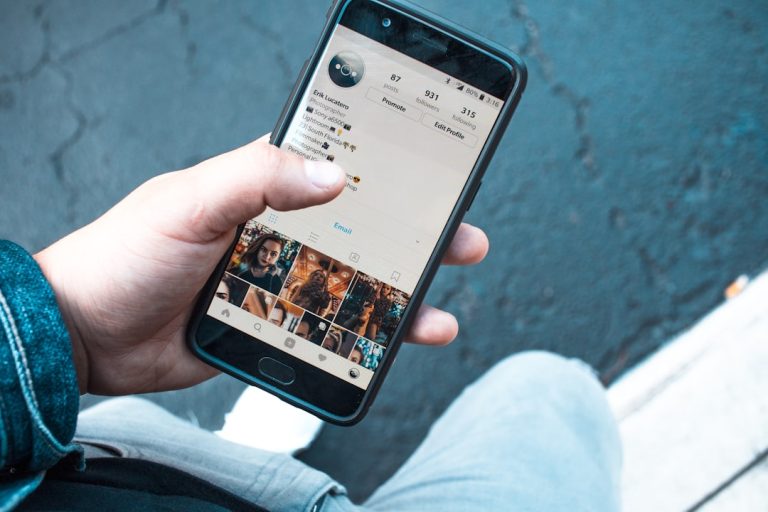
Australia is about to introduce a groundbreaking (and controversial!) law that will ban social media for anyone under 16. Starting December 10th, popular platforms like Facebook, Instagram, TikTok, and even YouTube will no longer be accessible to younger teens in the country. But this isn’t going down without a fight, especially from YouTube.
The streaming giant has slammed Australia’s new regulations as “rushed” and “unrealistic.” YouTube argues that far from making kids safer, the ban could actually put them *more* at risk. Why? Because without accounts, under-16s would lose access to crucial “wellbeing settings” and “safety filters” designed to protect them online. YouTube’s public policy manager, Rachel Lord, stated, “We believe in protecting kids *in* the digital world, not *from* the digital world.” They point out that many parents and educators share these concerns.
Initially, YouTube was going to be exempt, allowing kids access to educational content. However, the Australian government changed its mind, citing concerns about “predatory algorithms,” peer pressure, scammers, and online predators. They believe this sweeping ban is necessary to shield young users.
Practically speaking, on December 10th, all Australian YouTube users under 16 will be automatically signed out based on their Google account ages. While they could still browse without an account, many key features would be unavailable. YouTube has promised to archive these accounts, so content and data will be waiting when users turn 16.
This global-first approach has eyes watching worldwide, as regulators grapple with social media’s impact on youth. The government acknowledges the ban won’t be perfect initially, but platforms face hefty $32 million fines for non-compliance. Meanwhile, an internet rights group has already launched a legal challenge, arguing the laws infringe on freedom of speech.
It’s a complex debate: how do we best protect our kids in an increasingly digital world? Australia is making a bold move, and the fallout is just beginning.