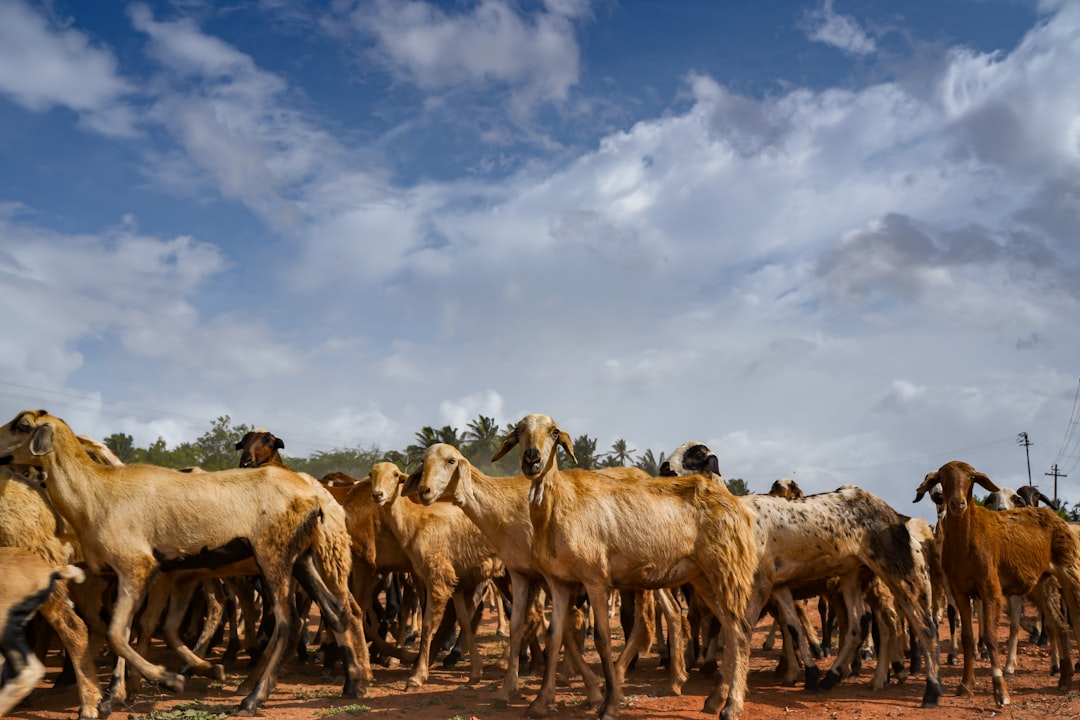
Imagine losing everything in a flash – your livelihood, your family’s heritage, your very identity. This is the harsh reality for countless cattle herders in West Africa’s Sahel region, caught in a deadly conflict fueled by extremist-linked armed groups.
Take Nouhoun Sidibè, a proud pastoralist like his ancestors in northern Burkina Faso. In 2020, armed men descended on his home, seizing every animal. In minutes, he lost his entire world. For three years, he searched for work in vain before migrating to Ivory Coast. Now, at 49, he feels “very, very lost,” a former chief working for others in the sprawling outskirts of Abidjan, living in cramped conditions.
This isn’t an isolated incident. The conflict has swept across Mali, Burkina Faso, and Niger, driving thousands of herders like Nouhoun to seek refuge in safer coastal nations. These groups often target herders, seizing livestock to fund their operations and assert control, devastating communities where “there is no Fulani without his cattle.”
Adapting to city life is a monumental challenge. The freedom of nomadic herding is replaced by the relentless hustle and soaring costs of urban centers. Many, with little formal schooling, struggle to find jobs beyond basic labor. Tanané Ibrahim, who also lost his sheep and cattle to militants, now believes his village is deserted, with no hope of return.
The influx of migrants is straining resources in countries like Ivory Coast, which reported over 72,000 new arrivals from Burkina Faso and Mali between January and March this year alone. Experts warn the crisis is far from over, with military juntas in the Sahel increasingly overwhelmed. For many, the transition from open pastures to crowded pavements is a painful, permanent one, a daily struggle for survival far from home.