Bulgaria’s Prime Minister Rosen Zhelyazkov has officially stepped down, bowing to weeks of intense street protests that have swept across the nation. On December 11th, just moments before a scheduled no-confidence vote, Zhelyazkov announced his government’s resignation. This major political shift comes at a critical time, with Bulgaria slated to join the Eurozone on January 1st.
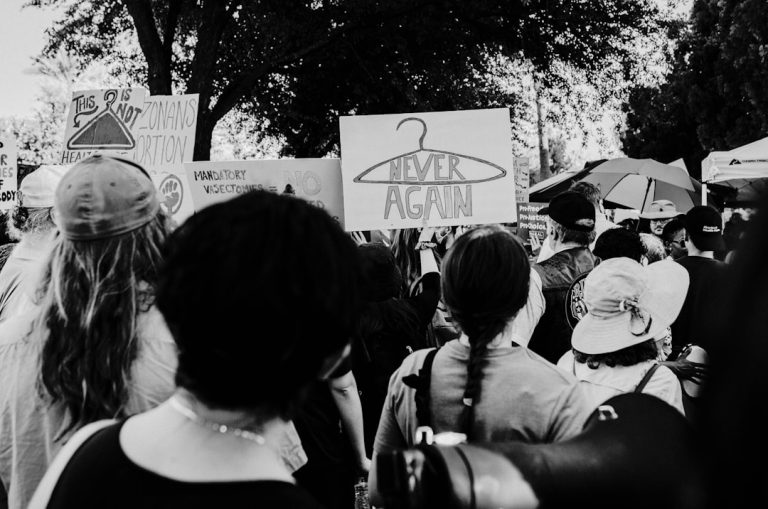
Thousands of angry citizens have been taking to the streets in Sofia and other cities, voicing their frustration over the government’s economic policies and, more significantly, its perceived failure to tackle widespread corruption. These demonstrations weren’t just about financial grievances; as Zhelyazkov acknowledged, they were “a protest for values,” uniting diverse parts of Bulgarian society against “arrogance and conceit.”
This isn’t Bulgaria’s first rodeo with political instability. The country has held seven national elections in just four years, highlighting deep-seated divisions. The government had already withdrawn its 2026 budget plan, the first ever drafted in euros, due to the public’s demands, but the protests only grew stronger.
Opposition leader Asen Vassilev celebrated the resignation as a vital “first step towards Bulgaria becoming a normal European country,” emphasizing the need for fair elections. President Rumen Radev echoed this sentiment, sending a clear message to lawmakers: “listen to the public squares!”
Now, President Radev will task parliamentary parties with forming a new government. Given the current political climate, success seems unlikely, which could lead to an interim administration and yet another round of national elections for the Black Sea nation. The road ahead for Bulgaria remains uncertain, driven by the powerful voice of its people.